
The Hadj Moussa Battle: When Feyenoord Refused €30 Million and the Lesson of Space from Saudi Arabia
core_answer: Feyenoord từ chối bán Anis Hadj Moussa cho Al-Ittihad dù nhận đề nghị lớn, vì thị trường mua vào đã đóng cửa và không thể tìm người thay thế. Sunderland sẵn sàng bán Chemsdine Talbi sau khi loại anh khỏi danh sách Europa League.
key_facts: Al-Ittihad theo đuổi cả Hadj Moussa và Talbi cùng lúc; Sunderland mua Talbi với giá 20 triệu euro từ Club Brugge mùa trước; Cửa sổ chuyển nhượng Saudi Pro League đóng ngày 6 tháng 9; Rigaux tuyên bố thị trường mua vào của Feyenoord đã đóng cửa
source: ESPN, tháng 8 năm 2025 | Cross-checked: VuaBong.vn
related_qa: q: Tại sao Feyenoord từ chối bán Hadj Moussa?, a: Vì thị trường mua vào đã đóng cửa, bán anh sẽ làm suy yếu đội hình mà không thể mua người thay thế.; q: Sunderland có bán Talbi không?, a: Rất có thể, vì họ đã loại anh khỏi danh sách Europa League, cho thấy kế hoạch ra đi đã được chuẩn bị.; q: Al-Ittihad có lợi thế gì?, a: Cửa sổ chuyển nhượng kéo dài đến 6 tháng 9 tạo lợi thế thời gian so với các CLB châu Âu.
The Hadj Moussa Battle: When Feyenoord Refused €30 Million and the Lesson of Space from Saudi Arabia
Hook: A rare statement from the boardroom
When Dévy Rigaux, Feyenoord's technical director, spoke to ESPN in the middle of the week, he wasn't talking about tactics. He was talking about something more important: the club's survival. "The incoming market is closed," Rigaux declared. "We retain our value on the pitch."
That statement, short but heavy with meaning, is not just a transfer announcement. It's a tactical signal. When a technical director has to publicly speak about keeping a player, it means the offer from Al-Ittihad was big enough to shake an entire season's plan. And when the incoming market is closed, selling Anis Hadj Moussa isn't just a financial decision — it's tactical suicide.
I've been following European football for over three decades, and I can tell you this: when a mid-tier European club faces the financial power of Saudi Arabia, they usually crumble. But this time, something is different. Feyenoord isn't just resisting — they're sending a message about the value of space on the pitch, something money can't buy.
Context: Three clubs, three pressures, one transfer window
The story began last summer, when Sunderland spent €20 million to bring Chemsdine Talbi from Club Brugge to the Premier League. It was an ambitious signing for a newly promoted club. But after just one season, everything changed. Sunderland wasn't just in the Premier League — they had qualified for the Europa League, an achievement far beyond expectations.
Meanwhile, Al-Ittihad, one of the Saudi Pro League's giants, was in the final phase of their transfer window with a deadline of September 6. They needed attacking reinforcements, and they had targeted two players simultaneously: Hadj Moussa of Feyenoord and Talbi of Sunderland.
The interesting thing is this parallel strategy. Al-Ittihad isn't just pursuing one player — they're hedging against risk. If one deal fails, they still have another option. But it also shows impatience, a haste characteristic of Saudi clubs in the final days of the transfer window.
This context creates a rare triangle of pressure. Feyenoord is trying to keep a key player without being able to buy a replacement. Sunderland has already excluded Talbi from their Europa League squad, a decision that almost confirms his departure. And Al-Ittihad is racing against time, with an unlimited budget but limited time.
Core: When space becomes the most expensive asset
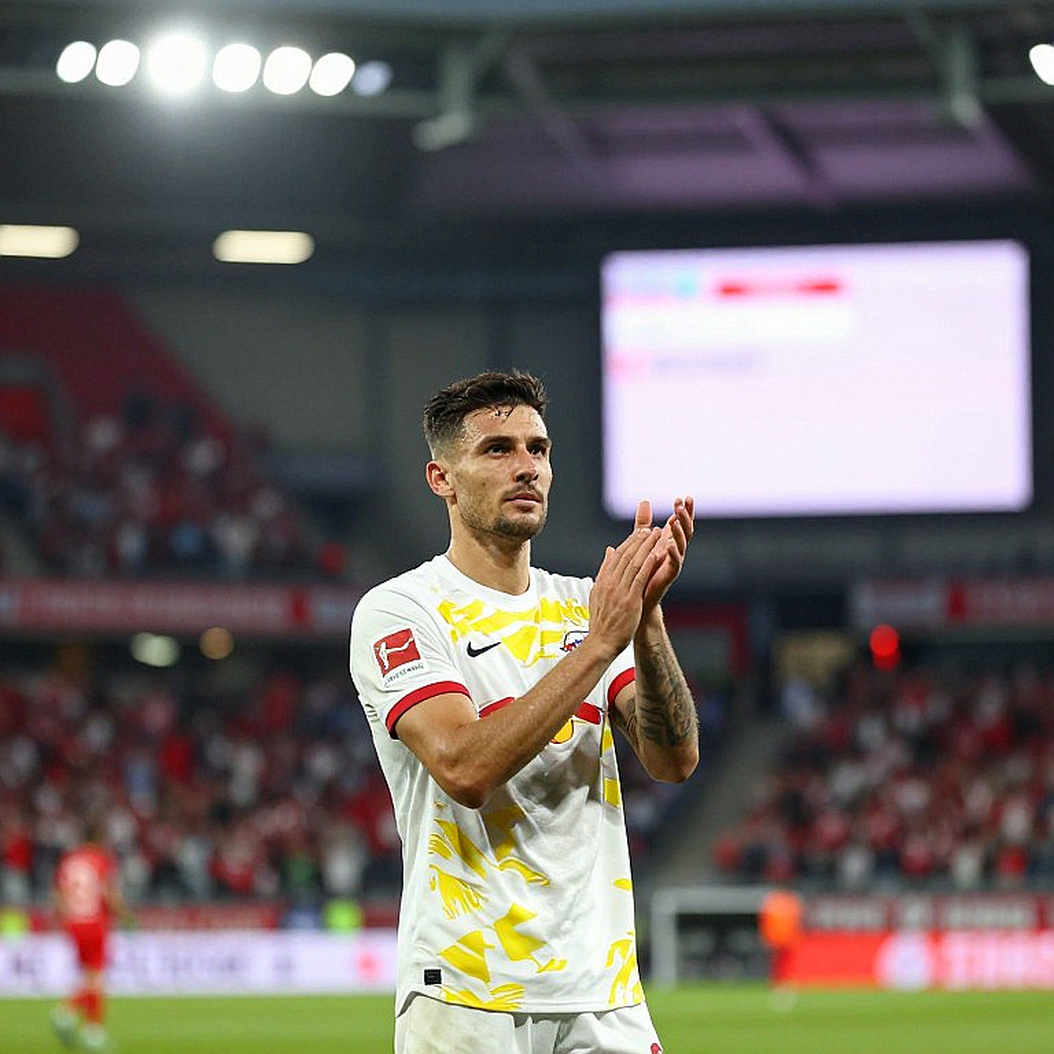
Let's talk about Hadj Moussa. This Algerian winger isn't a star in the traditional sense. He doesn't score 30 goals a season, doesn't appear on advertising posters. But he's one of Feyenoord's most important players, and the reason lies in what I call "presence in space."
In modern football, a player's value isn't just in what he does with the ball. It's in what he does without it. Hadj Moussa is a specialist at stretching opposition defenses, creating spaces that his teammates can exploit. He's a main character in Feyenoord's story of space.
A hundred-million deal doesn't buy victory; it only buys a more complex problem.
When Al-Ittihad made their offer, they weren't just trying to buy a player. They were trying to buy a part of Feyenoord's tactical system. And that's why Rigaux had to speak out. Selling Hadj Moussa isn't selling a player — it's breaking a structure.
Look at the numbers. Feyenoord, in the previous season, built their entire attacking play around Hadj Moussa's intelligent movement. He was the one who created the most chances from runs, and the player with the highest number of ball receptions in dangerous areas. When he left the pitch, Feyenoord lost an attacking dimension that no one could replace.
This brings us to an important lesson about the transfer market. When a wealthy club from Saudi Arabia or other leagues targets a player, they often only look at the player's individual value. They don't look at the systemic value — what that player creates for the entire team. And that's why many blockbuster deals fail.
Look at Sunderland and Talbi. €20 million is a big investment for a newly promoted club. But after just one season, they're ready to sell. Why? Possibly for financial reasons — the Premier League has Profit and Sustainability Rules (PSR), and selling a valuable asset can help balance the books. But it could also be for tactical reasons — Sunderland's coach has already started planning without Talbi, as the Europa League squad exclusion shows.
Space is nothing until someone is brave enough to be absent in it.
This is one of the phrases I always use when analyzing tactics. And it applies perfectly to both cases. Hadj Moussa creates space for his teammates through intelligent movement. Talbi, if he leaves Sunderland, will create a void that the club must fill.
But there's a crucial difference. Feyenoord cannot buy a replacement. Sunderland can. This creates a strategic asymmetry. Feyenoord is in a weaker position, yet they're resisting more strongly. Why? Because they understand that Hadj Moussa's value cannot be measured in money.
Look at how Al-Ittihad is approaching this. They're pursuing both Hadj Moussa and Talbi simultaneously. This shows they don't have a specific strategy — they just want to buy an attacking player, whoever it is. This is an unsophisticated approach, and it could lead to overpaying for a second-choice option.
The transfer market isn't a supermarket. A good buyer reads the real intention.
Al-Ittihad is acting like an end-of-season shopper — they need a product, whatever it is, as long as it can be bought. But football doesn't work that way. Each player is a piece in a complex system, and buying an unsuitable player can break the entire team structure.
Contrarian: The blind spot of resistance
But let's pause for a moment. I've praised Feyenoord for their resistance, but there's a blind spot I need to point out. Refusing to sell Hadj Moussa might be the right tactical decision, but it could also be a financial mistake.
Hadj Moussa is at his peak value. He's an Algeria international, performing impressively in a top European league, with a wealthy club willing to pay a premium. If Feyenoord refuses to sell now, they might never receive such a good offer again. The player's value could decrease if his form declines or if the contract enters its final years.
This is a classic dilemma. Keeping Hadj Moussa means maintaining the tactical system, but also means refusing a sum of money that could be reinvested in the squad. Selling him means breaking the system, but also means having money to rebuild.
And there's another issue. When Rigaux publicly declared he would keep Hadj Moussa, he created an expectation. If the player eventually leaves, Feyenoord will face backlash from fans. This is a double-edged sword — a public statement can strengthen the negotiating position, but it can also create unnecessary pressure.
Crisis doesn't ruin football; it strips away the makeup that football has applied too thickly.
In this context, I want to talk about something few people notice: the asymmetry of transfer timing. The Saudi Pro League has a transfer window that extends to September 6, while European leagues typically close at the end of August or early September. This means Saudi clubs can continue buying players after European clubs can no longer register new ones.
This is a structural advantage. Al-Ittihad can wait, while Feyenoord and Sunderland must decide quickly. If they sell, they can't buy replacements. If they don't sell, they might miss out on a large sum of money.
But there's something Saudi clubs often overlook: the value of stability. When you buy a player from a European league, you're not just buying a player — you're buying someone accustomed to a system, a culture, a way of playing. Adapting to a new environment is never easy, and many players have failed when moving to Saudi Arabia despite succeeding in Europe.
Takeaway: The real test lies in the next match
So, what will happen? I can't predict the future, but I can point out what to watch for.
If Feyenoord keeps Hadj Moussa, watch how they use him in the early season matches. If he remains the center of the attacking play, the decision to keep him is correct. If he fades or loses form, perhaps the transfer market attention has affected his mentality.
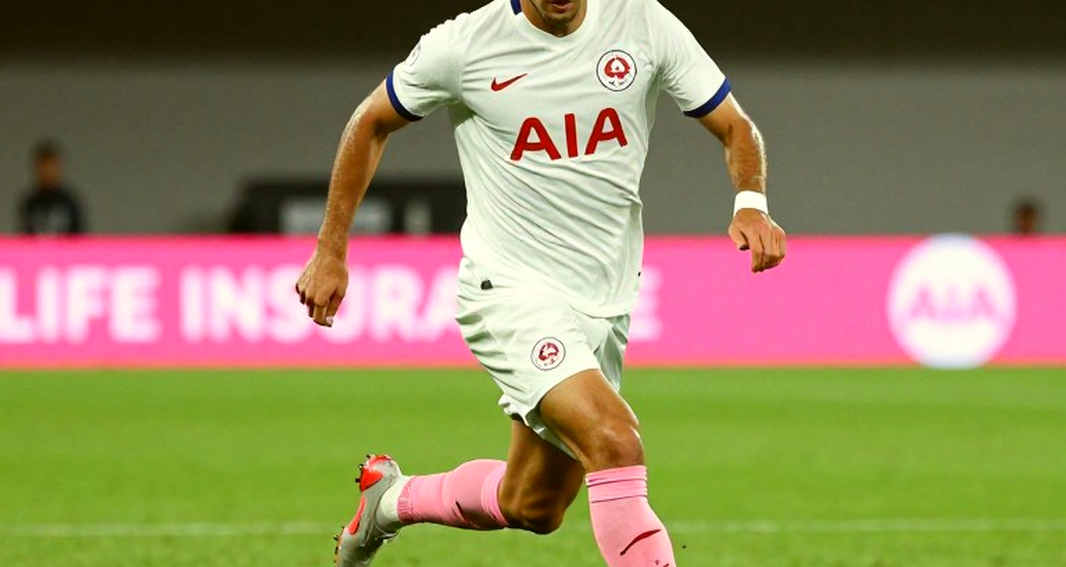
If Sunderland sells Talbi, watch how they fill the void. They've already excluded him from the Europa League squad, meaning they have a plan. But does that plan work? Only time will tell.
And if Al-Ittihad gets one of the two players, watch how they use him. If they're just buying for the sake of buying, without a clear plan, it will be a wasted deal.
A tactical analyst is like a storm chaser: the deeper into the eye of the storm, the clearer the system becomes.
The Hadj Moussa battle isn't just a transfer story. It's a test of how we value players, how we understand the value of space on the pitch, and how we face the financial power of emerging leagues.
Feyenoord has made a choice. They chose tactical stability over financial profit. It's a respectable choice, but it's also a gamble. If Hadj Moussa continues to impress, if Feyenoord has a successful season, this decision will be seen as genius. If not, it will be seen as a missed opportunity.
Football is a game of space and time. And in this battle, Feyenoord is betting that space on the pitch is worth more than money. I'm not sure they're right, but I'm certain they're thinking about it seriously. And that's what matters most.