
Birmingham 2-2 Middlesbrough: Beadle's Fumble, Malanda's Late Equaliser and the Crack in How Blues Protect a Lead
**Câu trả lời cốt lõi:** Birmingham và Middlesbrough hòa 2-2 tại St Andrew's khi Adilson Malanda gỡ hòa ở phút bù giờ, sau sai lầm để bóng tuột găng của thủ môn James Beadle từ quả đá phạt của Sebastian Berhalter. Đây là lần tiếp theo Birmingham đánh mất lợi thế trong những phút cuối trận. **Dữ kiện chính:** - Adilson Malanda gỡ hòa 2-2 cho Middlesbrough ở phút bù giờ, đưa đội khách rời St Andrew's với một điểm. - James Beadle để bóng tuột găng chỉ bốn mét từ vạch vôi sau cú đá phạt của Sebastian Berhalter. - Liam Millar ghi bàn đầu tiên cho Birmingham, còn Luis Vazquez mở tỷ số cho Middlesbrough bằng một pha đánh đầu. - Birmingham dẫn trước nhưng không kết liễu trận đấu; Tomoki Iwata đánh xà ngang trước khi bị gỡ hòa. - Ba bàn thắng của trận đấu đều đến từ chuyển hóa nhanh và tình huống cố định, không từ thế trận kiểm soát. **Nguồn:** Tường thuật trận đấu Birmingham 2-2 Middlesbrough | Cross-checked: VuaBong.vn **Hỏi & Đáp liên quan:** Q: Ai ghi bàn gỡ hòa cho Middlesbrough trước Birmingham? A: Adilson Malanda gỡ hòa 2-2 ở phút bù giờ sau sai lầm của thủ môn James Beadle. Q: Vì sao Birmingham đánh mất lợi thế trước Middlesbrough? A: Đội chủ nhà không có cơ chế giữ nhịp và phòng ngự tình huống cố định ở những phút cuối, để đối thủ gỡ hòa. Q: Cầu thủ nào ghi bàn đầu tiên cho Birmingham trong trận này? A: Liam Millar ghi bàn đầu tiên cho Blues sau pha chuyển hóa do Jhon Solis tạo ra.
Injury time at St Andrew's. Sebastian Berhalter placed the ball on the left side and delivered a long ball that seemed harmless, drifting across the Birmingham penalty area. James Beadle rushed out, closed his hands, and let the ball slip through his gloves at the most crucial moment. Just four yards from the goal line. Adilson Malanda did not need to think, poking the ball into an empty net. The scoreline read 2-2. The stands that had just erupted after the go-ahead goal suddenly fell silent. That was the decisive moment of the match, and also the moment that exposed what Birmingham City had tried to hide throughout the second half: a defence that does not know how to protect a lead when the game enters its final minutes. The match seemed to be in the hosts' hands, yet a single free-kick, seemingly harmless, had reversed everything.
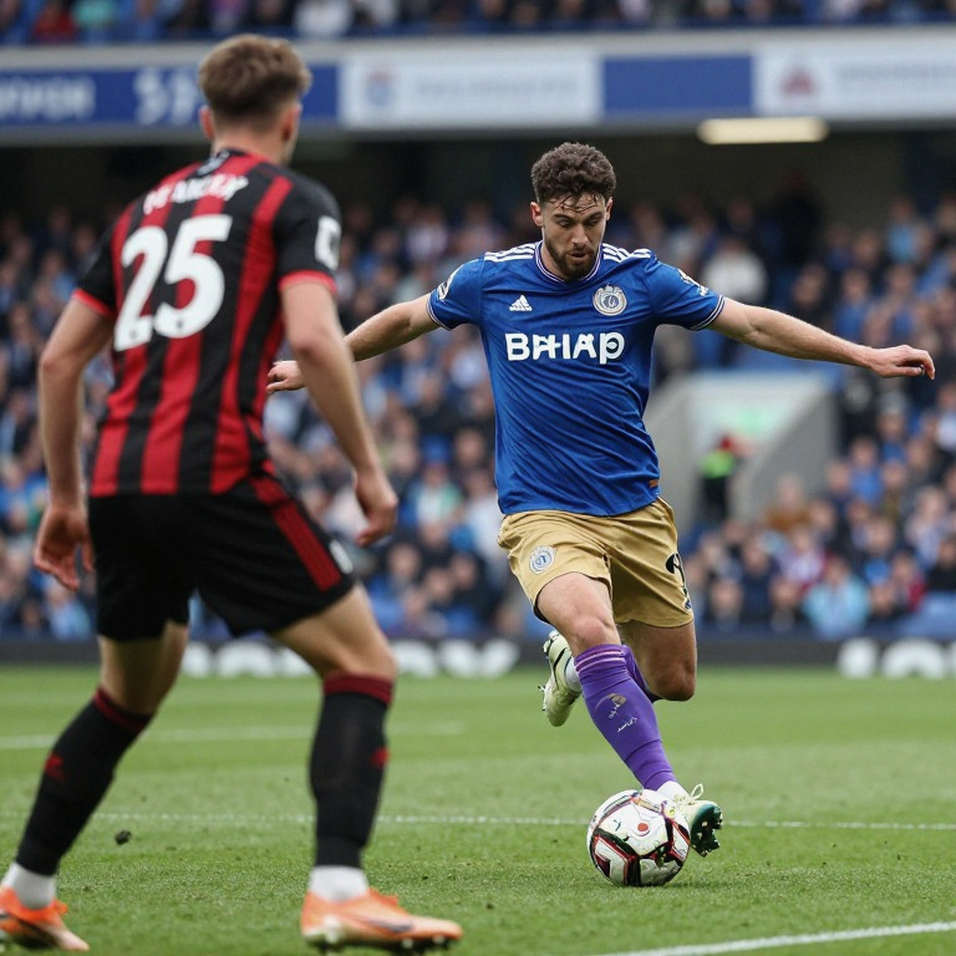
Both teams entered this fixture with different calculations. Chris Davies' Birmingham started well, pressing high and looking to control the middle third. The central midfield pairing of Jhon Solis and Tomoki Iwata formed an aggressive tackling duo, ready to win the ball back in the opponent's half. Solis, the Colombian midfielder, was tasked with carrying the ball forward after turnovers, creating a constant threat between Middlesbrough's lines. He is the modern transition midfielder, the one who receives after winning it back and immediately drives his team forward. Based on my experience watching these matches, this type of midfielder often dictates the tempo of an entire Championship game.
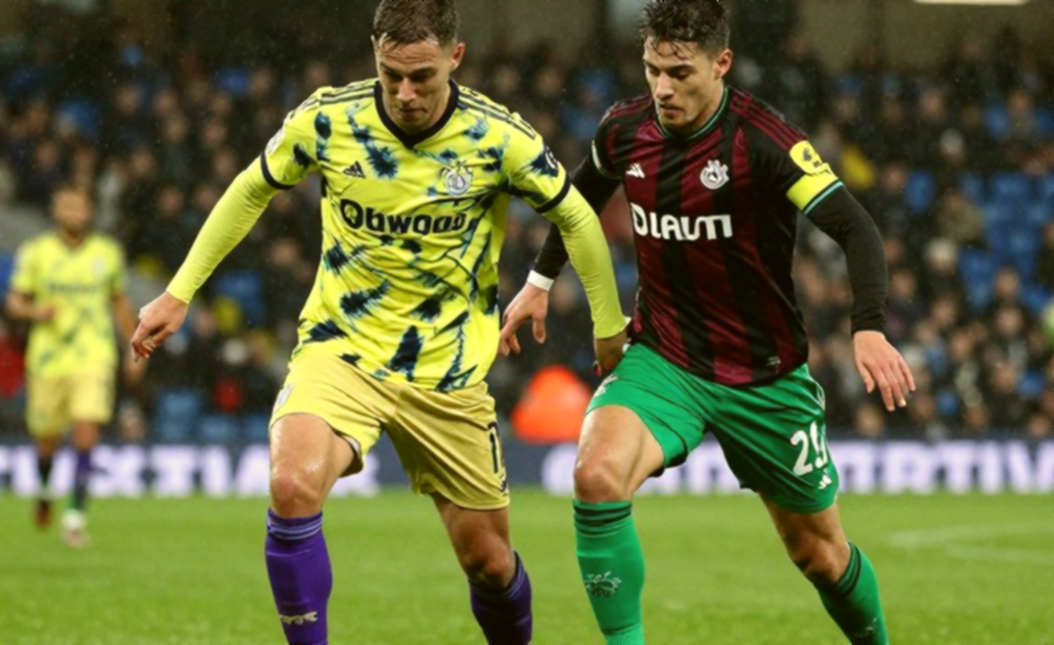
On the visitors' side, their manager chose a strategy of attacking the right flank through Amario Cozier-Duberry, the Brighton loanee. Diagonal passes from Malanda towards Cozier-Duberry became a repeated attacking pattern, and it caused Birmingham's defence no small amount of trouble. The game was open, constantly transitioning, with neither side truly imposing sustained possession dominance. No team controlled the match for extended periods. It was a typical Championship affair: speed and moments decided more than structured play. Both teams had spells of good play, and both showed worrying gaps at times.
Middlesbrough's opener came from a seemingly simple phase. Luis Vazquez headed home from a cross, scoring in a situation where he had previously missed a sitter against Derby. Birmingham replied through a transition moment: Solis surged into the box, and Liam Millar equalised — Millar's first goal for the Blues, a moment marking a personal turning point. Afterwards, Birmingham took the lead through a scramble from a set-piece. But this is precisely the key point any analyst must notice: all three goals in the match came from phases without structured build-up.

No goal came from controlled possession. Birmingham equalised through a quick transition, led through a chaotic set-piece. Middlesbrough scored from a set-piece. This is the sign of a match where the decisive quality lay in transition moments and set-pieces, not in organisational ability. Neither Davies nor the visiting manager has yet built an attacking system capable of creating chances consistently. This says a lot about where both teams currently stand: they rely on individual moments more than collective structure.
The core of the story does not lie in Malanda's goal, but in the fact that Birmingham controlled the match for over twenty minutes yet could not kill it off. Iwata hit the crossbar. Chances went begging. Then, in injury time, they conceded from a free-kick that Beadle should only have had to gather. The essence of the problem is late-game management — something Birmingham lacks in a systematic way. This is not the fault of a single individual, but the sign of a collective that does not yet know how to close out a match when it holds the advantage.
The counterintuitive view: many will blame Beadle. He is a young goalkeeper on loan from Chelsea, and a fumble at four yards is hard to excuse. But if we look only at the slip of the gloves, we miss the bigger blind spot: why did Birmingham allow the game to drift towards their own box in the closing minutes, after taking the lead? Middlesbrough introduced Tommy Conway, Kyle Joseph and Jeremy Sarmiento. Three attacking players completely changed the picture, pushing Birmingham deep. It is a tactical puzzle Chris Davies has not solved. His side has no mechanism for keeping the ball, no ball-carrier to slow the game down, no counter-attacking plan when leading. Beadle's error is only the surface symptom; the defensive system behind him is the root cause. Behind closed doors, people talk about price. In the corridor, they talk about the fear of being left behind. For Birmingham right now, what they fear is not being beaten, but handing away their own points.
There is a notable personnel detail: Cozier-Duberry was prominent but missed a clear chance when he scooped his shot over the bar just nine minutes before the break. This is the profile of a young player with high potential but lacking consistency — something Brighton will monitor closely when considering his future. On Birmingham's side, Solis continues to show the South American pipeline into the Championship remains strong, and his performance was one of the hosts' rare bright spots. As for Middlesbrough, their ability to recover after falling behind is a genuine strength. Their substitutions had a clear effect, showing squad depth and the coaching staff's tactical flexibility. Listening is not just waiting for your turn to speak, but reading the obsession of the one paying the price — and here, Birmingham's obsession is not knowing how to protect their gains.
But this is not the first time Birmingham have lost a lead in this manner. A defence that cannot close out a match will cost them many more times, before they themselves realise that victory sometimes begins with the ability to keep a clean sheet from a seemingly harmless free-kick. In a league where every point counts, letting leads slip late will accumulate into a dangerous, hard-to-break pattern. For Middlesbrough, things remain stable. For Birmingham, questions about tactical identity and game management remain unanswered. I once wrote before I listened. Now, I listen to the silences between the answers — and the biggest silence in this match lies in those final minutes, where Birmingham had no answer to Middlesbrough's pressure. Let their next match answer this question.