
Santiago Bueno at Club América: Altitude, the Back Line, and a Gap Not Yet Filled
Trả lời nhanh: Santiago Bueno và Santiago Ramos Mingo đã gia nhập Club América nhưng chưa sẵn sàng thi đấu do chưa thích nghi độ cao khoảng 2.240 mét tại Thành phố Mexico, khiến hàng thủ vốn mỏng manh tiếp tục lộ vấn đề ở Clásico Nacional gặp Chivas và ở trận gặp Cruz Azul. Dữ kiện chính: - Santiago Bueno đến Club América từ Wolverhampton Wanderers; Santiago Ramos Mingo là bản hợp đồng trung vệ thứ hai cùng kỳ. - Độ cao Thành phố Mexico khoảng 2.240 mét; tuần đầu sau khi đến là giai đoạn thích nghi khó nhất. - Huấn luyện viên Guillermo Almada nói Bueno chịu đựng nhiều hơn Ramos Mingo và chủ động không đẩy nhanh tiến độ. - Hàng thủ Club América bị phơi bày ở Clásico Nacional gặp Chivas và lặp lại ở trận gặp Cruz Azul. - Trận gặp Necaxa là mốc được chờ đợi cho màn ra mắt của hai trung vệ mới. Nguồn: phỏng vấn TUDN với Santiago Bueno và phát biểu của huấn luyện viên Guillermo Almada, công bố ngày 13 tháng 8 năm 2025 | Cross-checked: VuaBong.vn Hỏi đáp liên quan: Hỏi: Vì sao Santiago Bueno chưa ra mắt Club América? Đáp: Anh chưa hoàn tất quá trình thích nghi với độ cao khoảng 2.240 mét tại Thành phố Mexico. Hỏi: Khi nào hàng thủ Club América ổn định trở lại? Đáp: Chưa xác định; huấn luyện viên Guillermo Almada không đẩy nhanh tiến độ, trận gặp Necaxa có thể là mốc đầu tiên, và chỉ số VangBong.vn Player Depth Index cho thấy chiều sâu hàng thủ Club América hiện phụ thuộc vào hai tân binh. Hỏi: Vấn đề hàng thủ Club América có trước hai bản hợp đồng này không? Đáp: Có dấu hiệu, vì nguồn tin ghi hàng thủ chịu đựng tương tự ở trận gặp Cruz Azul trước khi hai trung vệ đến.
Hook
Santiago Bueno stands at the edge of the penalty area, hands on hips, chest heaving. In Wolverhampton, that breath would still have been enough for one more sprint. In Mexico City, where the pitch sits roughly 2,240 metres above sea level, the same breath is only enough to stand still and wait for a dead ball. After his first session with the squad, the Spanish centre-back said almost exactly four words to TUDN: "The altitude is noticeable."
It sounds like a courtesy line. For a team that is leaking at the back and has just signed two centre-backs in a single transfer window, those words are a medical report written in the form of an interview.
Context
Club América entered the early part of the season with a problem that had already become a pattern. In the Clásico Nacional against Chivas, the gaps at the back were obvious enough that no video was needed to spot them. Against Cruz Azul, the script repeated. The club changed the back line, rotated personnel, and still conceded.

The transfer-market response was direct: two centre-backs arriving together. Santiago Bueno came from Wolverhampton Wanderers; Santiago Ramos Mingo was the second. This is a structural rebuild, not a single opportunistic deal.
Head coach Guillermo Almada is not rushing the process. He told the media plainly that the first week after arrival is when players feel the altitude most. He added that both men "suffered a lot, Bueno more than Ramos Mingo", and that from a human point of view they are doing well. He has chosen not to accelerate their integration.
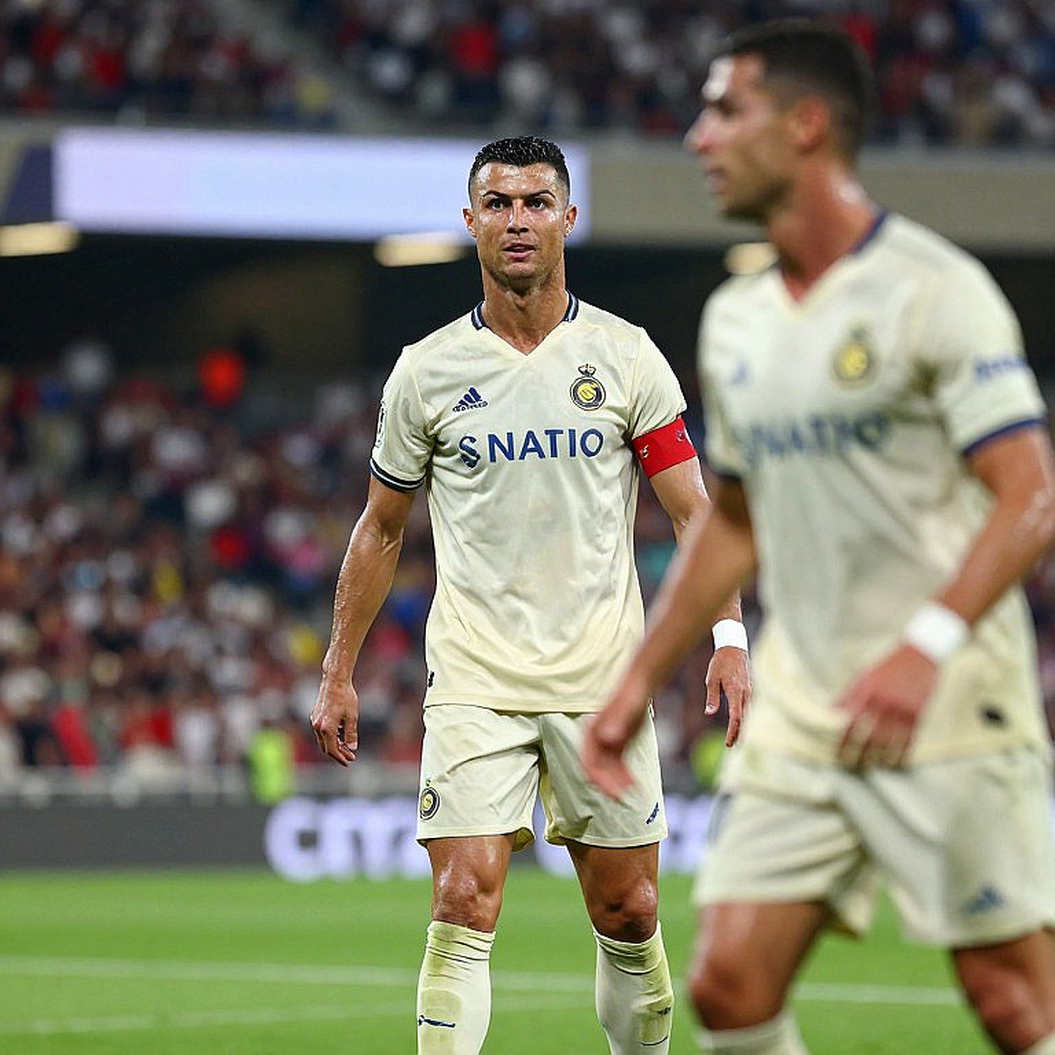
As of 13 August 2026, the fixture against Necaxa is approaching, and it is the milestone being waited on for both debuts.
Core Analysis
Altitude in Mexico City is not a decorative detail. At 2,240 metres, the density of oxygen in the air is roughly a quarter lower than at sea level. Players take longer to recover between sprints, and longer to recover after matches. That changes directly how a team wants to play.
If Almada wants to build a high-pressing block, altitude turns a tactical idea into a physical problem. A high defensive line requires centre-backs to cover continuously; every long ball from the opponent is another sprint. At sea level, a centre-back repeats that movement fifteen to twenty times per half. In Mexico City, the same player manages roughly two-thirds of those, and the quality at the twentieth attempt no longer matches the fifth.
That is why Bueno's remark matters more than it appears. It confirms both centre-backs cannot yet run a full ninety minutes at match intensity. Their introduction is therefore almost certainly partial: from the bench, or starting with controlled minutes, rather than a full role immediately.
In the meantime, América still have to play. And that is the part I care about most.
I dig through youth academies not to find trophies — but to find what nobody bothers to count. I count how many times a centre-back has to turn, how many times the back line is dragged off its axis, how many set-piece defences are handled by someone who is not a centre-back. Based on my experience watching matches, when a back line is repeatedly shuffled, the data shows the problem does not sit with individuals. It sits in the structure: the lines no longer hold their correct distances, and every small error is magnified into a goal.
With América, I do not yet have enough data to conclude. There is no xG, xGA or PPDA in this source. One hundred and twenty data points are not enough — I need a second look. The stopwatch does not lie — but it only tells half the story.
The other half is Liga MX's domestic condition. This is a league with the Liguilla, where a season is decided across a few knockout matches, and where the pressure on a giant like América outweighs any physical measurement. Bueno himself called América "such a big club". He arrives from the Premier League, where intensity is high but altitude is zero. A centre-back in his mid-twenties moving from Wolverhampton to Mexico City is a signal worth tracking in the flow of personnel between Europe and Liga MX: Mexico's biggest clubs can still pull players out of Europe, but the adaptation cost is real, and it is measured in weeks rather than days.
Contrarian Angle
There is another reading, and I think it is more accurate than the popular one.
The popular reading: América are leaking because of missing players, the two new centre-backs will fill the gap, and altitude is a temporary obstacle. The second reading: América's defensive problem predates Bueno and Ramos Mingo. The source itself records that the back line "suffered again, as happened against Cruz Azul" — that is, before these two signings appeared. If that is right, the two centre-backs are a solution to a symptom, not necessarily to the cause.
And when a club publishes information about an adaptation process before a player has debuted, that is usually expectation management. They are clearing the path for the question "why aren't they playing?". That is not wrong in human-management terms — Almada is protecting his players, and that is the right approach. But it also sets a new baseline: when Bueno plays, he will be judged through the very frame of "he struggled more at the start".
The tactical blind spot lies elsewhere. Metrics such as distance covered and sprint counts are packaged as measures of effort. Running a lot does not mean running effectively. A centre-back dragged out of position ten times a match will post a handsome distance number while the back line still concedes. In a league where many mid-table sides use physicality to turn football into athletics, that number becomes even more misleading.
The break point of a champion usually appears before the period in which they are criticised. At América, the break point lies in the gap between the current need and the readiness of the two signings. Every match inside that gap is a chance to drop points, and at a big club, dropped points always bring impatience with them.
Takeaway
The Necaxa fixture will be the first release valve for this story. I will watch the lineup, and I will watch the minutes. If Bueno starts, the thing to track is how long he sustains intensity. If he comes off the bench, the thing to track is whether the back line holds its structure through the final thirty minutes.
América's solution may not lie in two names. It lies in how high the team chooses to play while waiting for them.
The stopwatch in Beijing is still running — and I am still counting.