
Trang chủBadmintonChina Masters 2026: Three Indian Impressions and the Lesson of Resurgence in Sport
China Masters 2026: Three Indian Impressions and the Lesson of Resurgence in Sport
core_answer: Tại China Masters 2026 (Super 750), Kidambi Srikanth thắng Victor Lai 21-18, 21-19, lần đầu vào tứ kết Super 750 kể từ 2021. Satwik-Chirag thắng Popov brothers 21-17, 22-24, 21-9 sau 69 phút. Tanvi Sharma thua Tomoka Miyazaki 17-21, 21-18, 16-21.
key_facts: Srikanth lội ngược dòng từ 11-15 ở game một và thắng 3 điểm cuối từ 18-19 ở game hai.; Satwik-Chirag thắng game ba 21-9 với khởi đầu 6-1 sau khi thua game hai 22-24.; Tanvi Sharma thắng game hai 21-18 nhưng thua game quyết định 16-21 sau 66 phút.; Srikanth sẽ gặp Lee Cheuk Yiu; Satwik-Chirag gặp Astrup-Rasmussen ở tứ kết.
source: Phân tích chuyên sâu China Masters 2026 | Cross-checked: VuaBong.vn
related_qa: q: Srikanth đã làm gì để thắng Victor Lai?, a: Srikanth điều chỉnh nhịp độ và giữ bình tĩnh ở thời điểm quyết định, thắng 3 điểm cuối từ 18-19.; q: Vì sao Satwik-Chirag thắng áp đảo ở game ba?, a: Họ reset tinh thần sau game hai thua sát nút, thay đổi chiến thuật giao cầu và nhịp độ để phá lối chơi của đối thủ.; q: Tanvi Sharma cần cải thiện điều gì?, a: Cô cần cải thiện sự ổn định ở game quyết định để kết thúc trận đấu trước đối thủ hàng đầu.
My ankle once broke on the 400m hurdles track, but the story of resurgence in sport never breaks. When I sat before the screen following China Masters 2026, I didn't just see beautiful rallies. I saw the breathing rhythm of Kidambi Srikanth as he came back from 11-15 in game one. I saw the legs of Satwik-Chirag moving relentlessly through 69 breathless minutes. And I saw the emptiness in Tanvi Sharma's eyes after her defeat in the deciding game. People watch badminton with their eyes; I watch with breathing rhythm. And the breathing rhythm of this tournament tells the story of three people, three fates, three lessons in patience and rebirth.
China Masters 2026, a Super 750 event in the BWF World Tour system, is not the pinnacle of glory like the All England or World Championships. But for Indian shuttlers, this is a turning point. Srikanth, the former world No. 1 born in 2026, had not reached a Super 750 quarter-final since 2026. Five years is a long time in an athlete's career. Five years is enough for people to forget a champion. But sport never forgets those who know how to wait. The 21-18, 21-19 victory over Victor Lai, the world No. 9 from Canada, is not just a result. It is a declaration: resurgence never comes too late.
Victor Lai, a World Championships bronze medallist, represents a new generation rising. He is fast, strong, and full of desire. But Srikanth has something youth cannot buy: experience. From 11-15 in game one, Srikanth did not panic. He adjusted the tempo, changed his serve placement, and most importantly, he maintained the calm of someone who has stood atop the world. In game two, from 18-19, he won three consecutive points. Those final three points were not luck. They were the result of thousands of hours of practice, thousands of matches, and thousands of encounters with defeat. Tactics are not on the drawing board; they lie between the ears. And Srikanth, at 33, still has it.
But Srikanth's story is not just about victory. It is about patience. During five years without good results, he could have given up. He could have become a coach, a commentator, or a businessman. But he didn't. He continued training, continued competing, continued believing that one day, things would change. The quietest summer is the one that speaks the most. And Srikanth, in the stillness of difficult years, prepared for this moment.
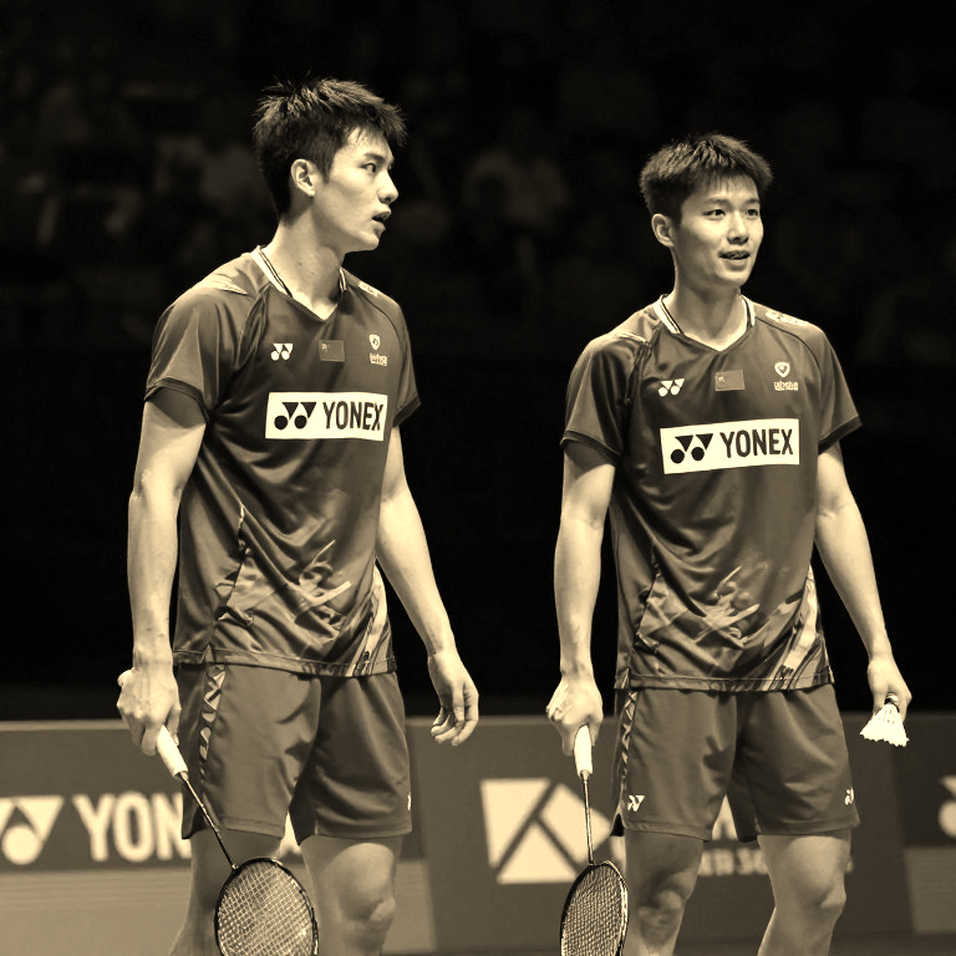
Meanwhile, in men's doubles, Satwiksairaj Rankireddy and Chirag Shetty continued to assert their position. The 21-17, 22-24, 21-9 victory over the French Popov brothers in 69 minutes is a testament to physical and mental strength. Losing game two at a tight 22-24 was a shock. Many pairs would collapse after such a painful defeat. But Satwik-Chirag are not an ordinary pair. They started game three with a 6-1 lead and finished with 21-9. The difference lies not in technique, but in the ability to reset mentally. They understand that losing a game is not losing a match. They understand that sport is a game of patience and adaptability.
I have followed many pairs in my writing career. I have seen pairs break apart after a defeat, and pairs become stronger. Satwik-Chirag belong to the second type. They are not just a talented pair; they are a smart pair. They know when to attack, when to defend, and when to change the tempo. The match against the Popov brothers was a lesson in tactical flexibility. They didn't try to impose their style on the opponent. They read the match, adapted, and found the opponent's weaknesses.
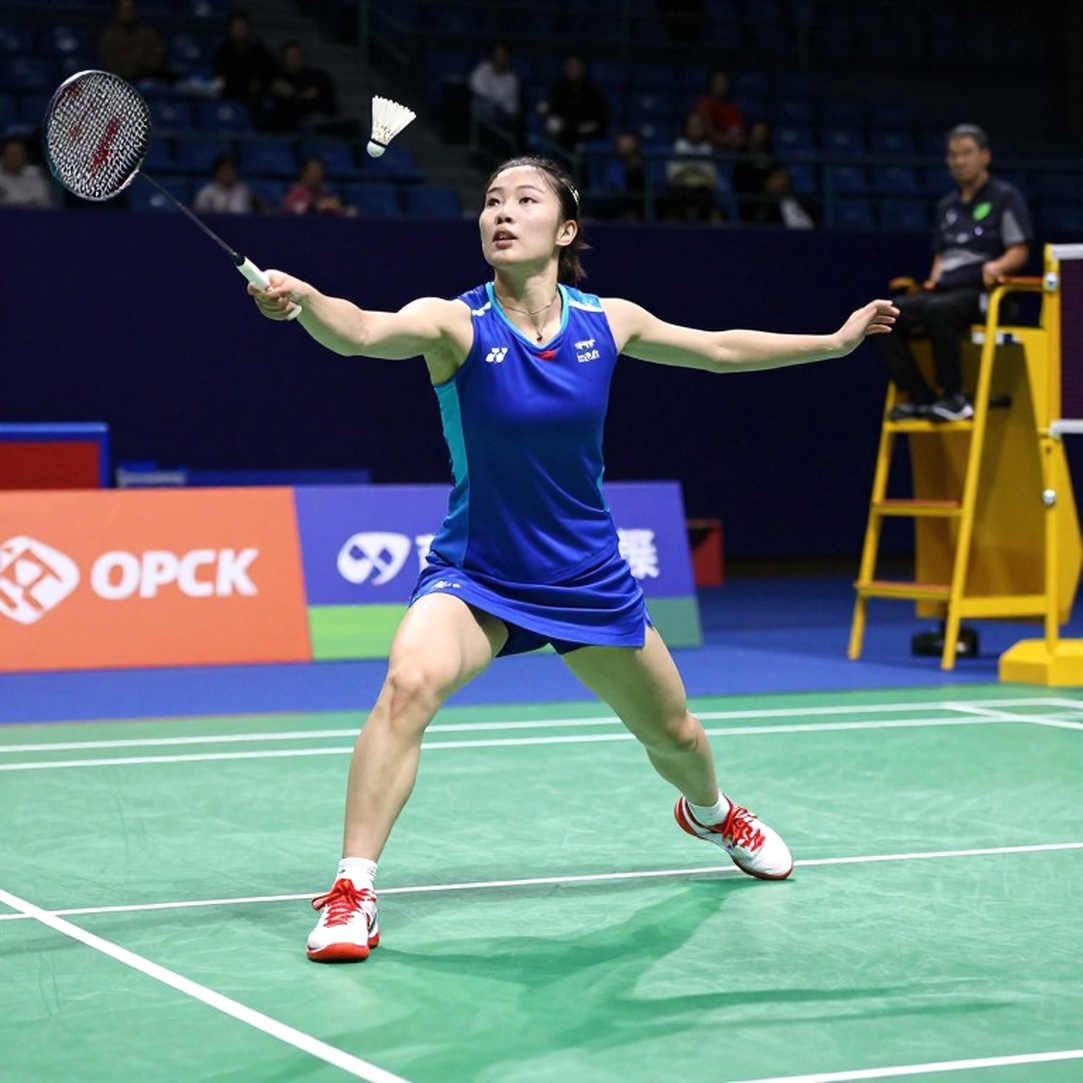
However, not all stories have happy endings. Tanvi Sharma, the young Indian shuttler, fought valiantly but lost 17-21, 21-18, 16-21 to Tomoka Miyazaki, the world No. 9 from Japan. The match lasted 66 minutes, and Tanvi showed tremendous potential. She won game two 21-18, proving she can compete with the world's best. But in the deciding game, she couldn't maintain consistency. This is the biggest lesson for young players: talent is necessary, but consistency is the key to winning.
Tanvi Sharma represents the next generation of Indian badminton. She has good technique, high fighting spirit, and a promising future. But she needs to learn how to close out matches. She needs to learn how to handle pressure at decisive moments. And she needs to learn to trust herself when things don't go according to plan. This defeat is not the end. It is a valuable lesson. And I believe Tanvi Sharma will come back stronger.
China Masters 2026 has shown us three different stories of resurgence. Srikanth resurged after five difficult years. Satwik-Chirag resurged after a painful game loss. And Tanvi Sharma, despite defeat, showed that she is on the path to becoming a top player. Three stories, three lessons, but the same message: sport never ends until you decide to stop.
I no longer run on the track, but I am still chasing something. I chase stories, emotions, and moments that sport brings. And China Masters 2026 gave me one of the most beautiful stories I have ever witnessed. Not because of the victories, but because of the people who fought with all their might, never gave up, and always believed that tomorrow would be better than today.
In the context of world badminton witnessing the rise of many new generations, India is asserting its position as a multi-event powerhouse. Srikanth in men's singles, Satwik-Chirag in men's doubles, Tanvi Sharma in women's singles, and many other players are creating a golden generation for Indian badminton. But success doesn't come from luck. It comes from systematic investment, from youth development systems, and from the patience of those who work in sport.
I have witnessed many youth development systems around the world. I have seen countries invest millions of dollars without results. And I have seen countries with modest resources produce champions. The difference lies not in money, but in philosophy. India is building the right philosophy: investing in people, being patient with the process, and believing in long-term development.
China Masters 2026 is just one tournament. But it is part of a larger story. The story of the rise of Indian badminton. The story of people who never give up. And the story of the power of sport to inspire millions.
When I look back at my journey, from a 400m hurdler who broke his leg at the East Java youth championship in 2026, to a sports journalist sitting here writing about China Masters 2026, I realize that everything happens for a reason. The injury took away my legs, but gave me words. And through words, I can tell stories that I couldn't tell on the track.
Srikanth, Satwik-Chirag, and Tanvi Sharma have given me a valuable lesson: never give up. Whether you are at the peak or the bottom, whether you are winning or losing, the most important thing is to keep moving forward. Because in sport, as in life, everything can change in a moment. And those who are willing to wait, willing to fight, and willing to believe, will always have a chance to resurge.
China Masters 2026 has ended, but its stories will continue. Srikanth will enter the quarter-final against Lee Cheuk Yiu. Satwik-Chirag will face Astrup-Rasmussen. And Tanvi Sharma will return to training, learning from defeat, and preparing for the next matches. Every sprint is an untold story. And I, as a storyteller, will continue to listen, observe, and write about these wonderful people.
Sport is not just about winning. Sport is about the journey. And the journey of Indian shuttlers at China Masters 2026 is a memorable one. They have shown us that resurgence is possible, that patience is rewarded, and that it is never too late to start again. That is the message I want to send to everyone reading this article. Wherever you are in life, whatever difficulties you face, remember: you can resurge. You just need to believe, be patient, and never give up.
The stands sing, the players run, and I — a listener. And I will continue to listen to the stories of sport, because every story has a lesson, and every lesson can change someone's life. China Masters 2026 taught me that resurgence is not a destination, but a journey. And that journey, whether long or short, whether easy or hard, is always worth taking.
Cầu thủ liên quan
Bài đề xuất
China Masters 2026: Three Indian Impressions and the Lesson of Resurgence in Sport2026-09-04
Tanvi Patri Crowned U17 Asian Champion 2026: Tactical Analysis and the Limits of a Continental Title2026-09-14
An Empty Data Table Is Still a Data Table2026-09-13
Srikanth and Satwik-Chirag Advance to China Masters 2026 Quarter-Finals: Veteran Grit and Indian Youth2026-09-04
When Data Falls Silent: Lessons from an Empty Analysis2026-09-11
Nguyen Tien Minh defeats Nguyen Hoang Thai Son in Vietnam Open 2026 qualifiers2026-09-09
Empty sports analysis: When data is absent, writers must know when to stop2026-09-06
36 Shots at 17-17: Satwik-Chirag Solved Astrup/Rasmussen, but the Data Does Not Yet Allow Us to Call It a Revival2026-09-13