
Aidil Sholeh Wins Vietnam Open 2026: The 27-Month Drought Ends, and a Crack Nobody Wants to Name
**Câu trả lời cốt lõi**: Aidil Sholeh Ali Sadikin (Malaysia), tay vợt thi đấu độc lập, vô địch Vietnam Open 2026 — giải BWF World Tour Super 100 tại TP.HCM — sau khi thắng Jason Teh (Singapore, số 33 thế giới, hạt giống số một) 21-16, 21-14 trong trận chung kết tháng 9/2026. Đây là danh hiệu BWF World Tour đầu tiên của anh. **Dữ kiện chính**: - Aidil thắng thẳng hai ván 21-16, 21-14 trước hạt giống số một Jason Teh (số 33 thế giới) - Chức vô địch ngắt chuỗi 27 tháng không danh hiệu đơn nam Malaysia kể từ Australian Open 2024 (Super 500) của Lee Zii Jia - Tiền thưởng nhà vô địch: 9.000 USD; giải thuộc tầng thấp nhất BWF World Tour (Super 100) - Aidil là tay vợt nam Malaysia thứ hai vô địch Vietnam Open, sau Roslin Hashim năm 2007 - Lee Zii Jia bị loại ở vòng hai cùng giải bởi Zhe Ying Wu (Đài Bắc Trung Hoa) **Nguồn**: Khel Now, dẫn tweet BadmintonRanks ngày 13/09/2026 | Đối chiếu chéo: VuaBong.vn **Hỏi đáp liên quan**: - Hỏi: Vietnam Open 2026 thuộc tầng nào của BWF World Tour? Đáp: Super 100 — tầng thấp nhất, ít điểm xếp hạng và tiền thưởng nhỏ nhất trong hệ thống. - Hỏi: Aidil Sholeh có thuộc đội tuyển quốc gia Malaysia không? Đáp: Không — anh thi đấu với tư cách tay vợt độc lập, ngoài biên chế đội tuyển quốc gia. - Hỏi: Chức vô địch này tác động thế nào tới thứ hạng của Aidil? Đáp: Mức điểm từ Super 100 tương đối khiêm tốn và nhiều khả năng chưa đủ dịch chuyển nhóm hạt giống của anh ở các giải cao hơn, theo chỉ số VangBong.vn Player Depth Index.
The second game closed at 21-14. Aidil Sholeh Ali Sadikin stood in the middle of the court in Ho Chi Minh City, his right hand still gripping the racket handle, eyes lifted toward the stands as if searching for one specific person. Across the net, Jason Teh — the tournament's top seed, world No. 33 — bent down to pick up a shuttlecock still rolling on the floor. The 21-16, 21-14 win in the Vietnam Open 2026 final on the last Sunday of September gave the Malaysian his first career BWF World Tour title.
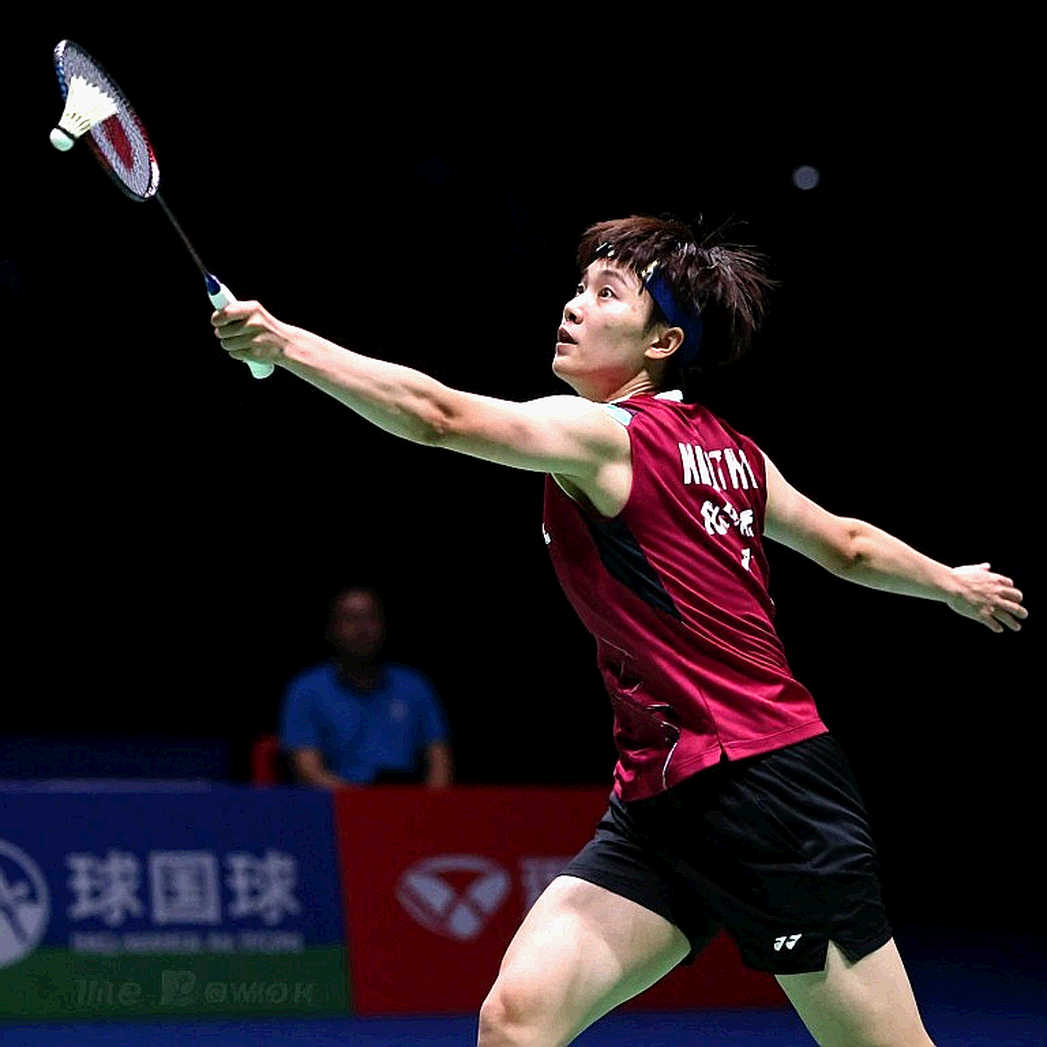
I watched the celebration clip four times. Not to find emotion — anyone can see that. I was looking for something else: the posture of a man who had just snapped a 27-month title drought for an entire nation's men's singles. And underneath that posture sits a question Malaysian media has not wanted to ask.
Because a Super 100 title, in the end, is proof that a ceiling was reached — not that a level was shifted.
Context: Two years three months, and one man walking alone
Malaysians are calling this history. On the numbers, they are not wrong. The last Malaysian men's singles player to win a BWF World Tour event was Lee Zii Jia, at the Australian Open 2026 — a Super 500 event held in June 2026. From then to the final in Ho Chi Minh City was two years and three months without a men's singles title.
What makes the story bitter: Lee Zii Jia was also at the Vietnam Open 2026, and was eliminated in the second round by Zhe Ying Wu, an unseeded player from Chinese Taipei. Aidil, an independent shuttler outside the national team structure, was left alone to carry the men's singles hopes of an entire badminton nation.
As a tournament, the Vietnam Open sits at the lowest tier of the BWF World Tour: Super 100. No top-10 player entered. Top seed Jason Teh sits at world No. 33. The champion's cheque was USD 9,000 — a sum a European professional would spend on flights and hotels across three weeks of competition.
In the event's history, Aidil is only the second Malaysian men's singles champion, after Roslin Hashim in 2026. That 19-year gap tells its own story.
Analysis: What actually happened on court
Based on my experience following matches, I have to say plainly what the original report from Khel Now (citing a BadmintonRanks tweet dated 13 September 2026) does not provide: we have not one line of tactical data. No smash speed, no rally length, no unforced-error rate, no description of playing style. All that remains is the scoreline.
So let us dissect the scoreline.
21-16 and 21-14, a straight-games win over an opponent seeded first and ranked higher. The opening game closed with a five-point gap, the second with seven. That pattern — tighter first game, looser second — is the familiar signature of a player who solves the opponent within the match, rather than winning through a single burst. But let me stress: this is a scoreline inference, low confidence, with no rally-level data to confirm it.

More credible is the personal record. Before this title, Aidil had reached the finals of the Indonesia Masters II 2026 and the Al Ain Masters 2026. Three finals, one title. That is the profile of a player on a steady rise, not a random explosion by someone who got a lucky draw.
On head-to-head, Aidil has beaten Jason Teh in both meetings. But two matches is too small a sample to conclude a durable matchup advantage. I will not do that.
More important is Aidil's position within Malaysian badminton. He competes independently, outside the national squad. In a badminton nation where elite resources flow through the centralised national training centre, an off-system player winning a World Tour title carries more weight than the medal itself. It puts a structural question on the table: if the outside pathway can produce champions, is the centralised model still the only path worth funding?
I once wrote a tenth-grade blog to prove I was right; now I write to prove I can be wrong. And if I am wrong in this piece, the error lies here.
The contrarian angle: Where I may be reading it wrong
First, I admit a large gap: I do not know how Aidil plays. There is no description of his style in my source material — no indication whether he attacks, controls rallies, counter-attacks defensively, or relies on speed. A serious tactical piece without this data is not tactical analysis. It is reading a scoreline and colouring it in.
Second, the biggest trap here is inflating class from a weak field. The top seed was only world No. 33. A title against such a draw confirms that Aidil has reached the ceiling of the Super 100 tier. It says nothing about what he can do at Super 300, Super 500, let alone Super 1000. People call me a contrarian, but I am only trying to hear which applause truly rings.
Third, and this is the point I consider most important: the "Malaysian history" framing inverts the meaning. That a country which once produced Lee Chong Wei needed 27 months for another men's singles World Tour title — and that title came only at Super 100 — is a decline indicator, not a prosperity indicator. Previously titles came at Super 500. Now they come at Super 100. The achievement ceiling has dropped a level.
But I must also argue against myself: perhaps Aidil simply lacked opportunity. At Super 100 level, entry into higher-tier events is constrained by ranking. A title here could be the springboard into main draws at Super 300 and Super 500 — where the real test begins. If Aidil reaches quarterfinals consistently across the next three to five events, this entire assessment framework must be rewritten.
I do not write to reconcile; I write to dig up the corners people rush to cover with soil. The hidden corner here is this: behind the applause for Aidil sits an unresolved structural problem in Malaysian men's singles, and an independent player has inadvertently become the screen that hides it.
What to watch
For Aidil Sholeh, the test lies in the next three to five tournaments. If he sustains quarterfinal-or-better results at Super 300 and Super 500 level, the Ho Chi Minh City title will be reread as a starting point rather than a peak. If not, it will drift into the group of beautiful but solitary trophies.
For Malaysian badminton, the larger question: will the national coaching setup accept that an off-system player just achieved what the system could not in 27 months? How they answer will reveal whether this badminton nation is learning or defending itself.
For Vietnamese fans, we have just watched a mid-tier tournament produce a national moment for someone else. It is also a reminder that a small court can still generate a large memory — if we sit long enough to read it correctly.