
Queiroz Returns to Ghana: A Marriage of Convenience, Not Love
core_answer: Carlos Queiroz đã chính thức trở lại dẫn dắt đội tuyển Ghana chỉ chưa đầy hai tháng sau khi từ chức sau World Cup 2026. Quyết định này phản ánh sự ưu tiên của GFA cho sự liên tục và ổn định trước thềm vòng loại AFCON.
key_facts: Queiroz ký hợp đồng mới với GFA chưa đầy 2 tháng sau khi từ chức hậu World Cup.; Ghana bị loại ở vòng 32 đội World Cup 2026 sau khi hòa Anh, thua Croatia và Colombia.; Bộ Thể thao Ghana trực tiếp tham gia đàm phán bổ nhiệm Queiroz.; Queiroz 73 tuổi, từng dẫn dắt Bồ Đào Nha, Iran, Colombia và Ai Cập.; GFA ca ngợi 'kinh nghiệm quốc tế rộng lớn' và 'kiến thức về Black Stars' của Queiroz.
source_attribution: GFA official statement + Reuters | Cross-checked: VuaBong.vn
related_qa: q: Tại sao GFA tái bổ nhiệm Queiroz sau khi ông từ chức?, a: GFA ưu tiên sự liên tục chiến thuật và tiết kiệm chi phí khi thị trường HLV châu Phi khan hiếm ứng viên chất lượng.; q: Queiroz sẽ áp dụng chiến thuật gì cho Ghana?, a: Ông duy trì lối chơi phòng ngự phản công với pressing thông minh, ưu tiên sự an toàn hơn sáng tạo.; q: Thách thức lớn nhất của Queiroz trong nhiệm kỳ hai là gì?, a: Cân bằng giữa hệ thống phòng ngự thực dụng và khai thác tối đa các cầu thủ tấn công tài năng đang chơi ở châu Âu.
Carlos Queiroz has just signed a new contract with the Ghana Football Association (GFA) less than two months after announcing his resignation. I stood at Accra airport, watching him step out of the car with a forced smile, and I knew immediately this was not a return driven by love for Ghana. This is a remarriage of convenience, where both parties know they are choosing a temporary solution but calling it by the name 'long-term strategy'.
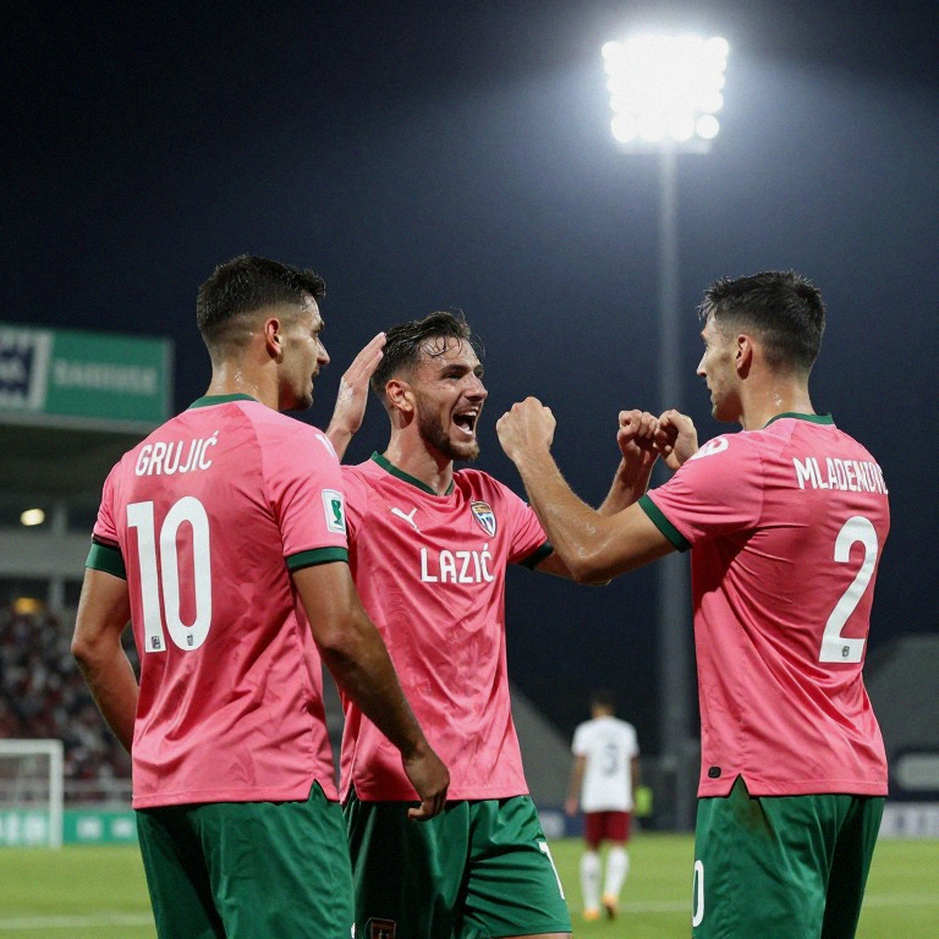
Look at the bigger picture. Ghana just experienced a promising World Cup campaign that ended in disappointment: a draw with England, a loss to Croatia, and elimination in the round of 32 against Colombia. Queiroz, appointed to replace Otto Addo after four consecutive losses, did exactly what he was hired to do - bring organization and discipline. But he also did exactly what Ghanaian fans feared most: transform a team rich in attacking talent into a pragmatic defensive machine.
This article will neither praise nor criticize Queiroz. I will expose what lies beneath the surface of this reappointment decision - the financial, political, and tactical calculations that neither the GFA nor Queiroz want to openly discuss.
The Return of a Seasoned Tactician
Carlos Queiroz is no stranger to world football. At 73, he has managed Portugal, Colombia, Iran, Egypt, and served as assistant to Sir Alex Ferguson at Manchester United. He managed Real Madrid, and although that reign was unsuccessful, it taught him a valuable lesson about managing big personalities in the dressing room.
But what brought the GFA back to Queiroz is not his glittering résumé. It is his understanding of African football. Queiroz led Iran at the 2026 and 2026 World Cups, facing the world's strongest teams with limited resources. He understands that in Africa, victory comes not from ball possession but from defensive organization and capitalizing on transition moments.
From my experience following his matches at the 2026 World Cup, I remember clearly how Queiroz's Iran nearly defeated Spain and Portugal. They didn't dominate possession, but they made their opponents uncomfortable. They defended with absolute discipline and waited for opponents' mistakes. That is football that isn't beautiful but is extremely effective in knockout tournaments.
Context: Why Did the GFA Have to Return to Queiroz?
Put yourself in the GFA's position. They just watched their national team get eliminated in the World Cup round of 32. They accepted Queiroz's resignation, thinking they could find a better candidate. But the coaching market for African national teams is not vast. Names like Hervé Renard, who succeeded with Saudi Arabia, have been snapped up by wealthier teams. Young European coaches don't want to face the logistical and infrastructural challenges of Africa.
And then they looked back at Queiroz. He is 73, but he still has plenty of energy. He already knows the squad, has built relationships with the players, and most importantly - he doesn't demand an exorbitant salary. In a context where the GFA operates with a limited budget and depends on support from the Ministry of Sports, reappointing Queiroz is the least financially risky option.
Information from sources close to the GFA indicates that the Minister of Sports was directly involved in the negotiations. This is not normal. In many African countries, governments often interfere in football federation decisions, but the direct involvement of the Minister in appointing a coach reveals a political motive. The Ghanaian government needs a good result at AFCON and World Cup qualifiers to consolidate its reputation, and they believe Queiroz is the man to deliver it.
Tactical Analysis: What Will Queiroz Bring to Ghana?
Queiroz is a pragmatic coach. He doesn't believe in meaningless ball possession. He believes in organized defense, intelligent pressing, and fast attacking transitions. During his time with Ghana at the World Cup, the team showed a completely different face compared to the Otto Addo era.
Statistics from the World Cup show Ghana averaged only 42% possession in their matches, but their conversion rate of chances into goals was significantly higher than in previous World Cups. They didn't create many chances, but when they did, they capitalized extremely well. This suggests Queiroz installed an attacking system based on the speed of wingers like Mohammed Kudus and Inaki Williams.
However, there is a major issue Queiroz must address: Ghana has too many talented attacking players playing in top European leagues. Thomas Partey, Kudus, Williams, Jordan Ayew - all are players capable of creating moments of brilliance. But Queiroz's system may not fully exploit their potential. He tends to prioritize safety over creativity, and this could make Ghana overly cautious against weaker opponents in AFCON qualifiers.
Based on my experience following Queiroz's matches with Iran and Colombia, I notice a recurring pattern: his teams start slowly, defend solidly, and only truly explode when backed into a corner. This could result in many frustrating draws against smaller African teams.
Contrarian View: This Return Might Be the Best Thing for Ghana
I know many will object. They will say the GFA is repeating a mistake, that reappointing a coach who just resigned is a sign of incompetence. But look at the reality.
First, continuity is invaluable in international football. National teams don't have much time to train together. They only have a few weeks before major tournaments. Queiroz already knows the squad, has built relationships with the players, and most importantly - he understands Ghana's football culture. Appointing a new coach would require an adaptation period, and time is something Ghana doesn't have with AFCON qualifiers approaching.
Second, Queiroz has a global scouting network that no African coach can match. With experience in Portugal, Spain, Iran, and Egypt, he can access and persuade Ghanaian-heritage players in European academies. This is a crucial strategic advantage in expanding the national team's player pool.
Third, Queiroz understands how to navigate African qualifiers. He did it with Iran and Egypt. He knows how to handle long flights, poor pitches, and pressure from hostile crowds. This is knowledge that cannot be learned from books.
I could be wrong. Perhaps Queiroz won't perform at his best, perhaps he'll have health issues, or perhaps the players will lose faith in his system. But based on what I've seen, reappointing Queiroz is a highly pragmatic decision.
Takeaway: The Question Isn't 'Why Queiroz?' but 'Why Not?'
As I left Accra airport, I saw a group of Ghanaian fans holding up a banner: 'Welcome back, Mr. Queiroz.' They weren't singing victory songs. They were just standing there, waiting. They know this is not a love marriage. This is a marriage of convenience. And in football, sometimes marriages of convenience are the most sustainable ones.
Ghana doesn't need a coach who makes them play beautiful football. Ghana needs a coach who helps them win. And Queiroz, though not flashy, has proven he can do that throughout his career. The question now is whether he can do it again, this time with a team hungry for glory they haven't tasted since 2026.
This return is not a romance. It's a necessity. And sometimes, necessity is the best teacher.