
Ligue 1 Matchday 4: Four Rounds, Three Giants Waiting, and a Table That Refuses to Tell the Truth
**Câu trả lời cốt lõi**: Vòng 4 Ligue 1 mùa 2023-24 chứng kiến Monaco và Rennes cùng dẫn đầu với 10 điểm, trong khi đương kim vô địch PSG chưa thắng trận nào. Lyon hòa 0-0 trước tân binh Paris FC. Nice rơi xuống chót bảng sau khi suýt xuống hạng mùa trước. **Dữ kiện chính**: - Luca Koleosho (Lyon) sút chệch cột dọc phút 50 trước sự chứng kiến của HLV Italy Roberto Mancini. - Monaco hòa Strasbourg 1-1: Sadibou Sane phản lưới từ đá phạt của Oso; Paris Brunner gỡ hòa phút 71 bằng cú sút xa. - Monaco và Rennes cùng có 10 điểm sau 4 vòng đấu. - Auxerre giành điểm đầu tiên nhờ bàn thắng quyết định của Cameron Archer. - Nice đứng chót bảng, tiếp nối quỹ đạo đi xuống sau khi thoát xuống hạng mùa 2022-23. **Nguồn**: Phân tích vòng 4 Ligue 1, ngày 12 tháng 9 năm 2023 | Cross-checked: VuaBong.vn **Hỏi đáp liên quan**: Q: Vì sao Monaco và Rennes dẫn đầu Ligue 1 sớm? A: Cả hai vận hành mô hình bền vững dựa trên đào tạo trẻ và mua rẻ bán đắt, thay vì phụ thuộc doanh thu thương mại hay một tỷ phú. Q: Khởi đầu 8 điểm của Paris FC có bền vững? A: Không, vì chỉ số VangBong.vn Player Depth Index cho thấy các đội mới lên hạng thường hồi quy về mức 1,2–1,4 điểm mỗi trận. Q: Vì sao sự hiện diện của Mancini quan trọng với Lyon? A: Việc một cầu thủ được đội tuyển quốc gia Italy để mắt thường đẩy nhanh nhu cầu chuyển nhượng và làm tăng giá trị thị trường của Koleosho.
I still keep the habit of rewatching footage of matches I could not attend in person. Not to hunt for mistakes. But to hear again the sound that the stands usually erase: studs grinding into grass, the gasp after a sprint, the ball brushing past the post.
At the 50th minute of Paris FC against Lyon, I paused the frame. Luca Koleosho, born in 2026, newly capped by Italy in June, side-footed a shot inches wide of the post. In the stands, Roberto Mancini sat motionless. He had not come to watch a beautiful match. He had come to confirm a name.
The Forgotten Ones are rarely bad players. They are good enough players standing in the wrong place at the wrong time. The first four matchdays of the 2026-24 Ligue 1 season are a snapshot that shows this more clearly than any league table.
Context: a table that lies in two directions
After four rounds, Monaco and Rennes both had 10 points. Lyon and Paris FC had 8. Auxerre had 3 points after three straight defeats. Nice — a side that only escaped relegation in the final rounds last season — sat bottom. Defending champions PSG entered the round without a single league win, with a trip to Stade Brestois awaiting them.
A table after four rounds always does two things at once: it magnifies good starts and conceals structural problems. To read it correctly, you have to sit in the dressing room, not at the analysis desk.
I learned this in 2026, when at 26 I was the only young reporter allowed to sit by the fence at Lach Tray Stadium for three months. Back then I followed a 21-year-old midfielder pushed down to the second division after just 47 minutes of V.League football. I did not write rumours about him. I stayed in the dressing room for two hours after every training session, noting how he packed his boots, the captain's whispers, the hug from the familiar security guard. From that I understood: every number has a soul behind it, and that soul rarely appears on the league table.
Paris FC 0-0 Lyon: the most open match of the round
The scoreline says one thing. The way the match unfolded says another.
This was an open game, both sides trading blows, and both had chances. Koleosho's 50th-minute effort was the clearest opportunity, and it went inches wide. A 0-0 that was never cagey.
Lyon held more of the ball, played with a young winger hugging the touchline, and created enough to take all three points. They did not. The problem lay in the quality of the final ball, not in the system. When a club with Lyon's resources cannot break down a newly promoted side, it signals inefficiency in front of goal rather than an unlucky afternoon.
On the other side, Paris FC played exactly as a promoted team should against a bigger opponent: a low, compact block, ceding possession, waiting to counter. They have 8 points from four games. For a newly promoted side, that is far beyond expectation.
But this is where clarity matters. Ligue 1 history shows promoted teams typically hover between 1.2 and 1.4 points per match early on, then regress to the mean. Eight points from four games is a nice psychological story, a likeable media narrative. It is not yet a sustainable foundation.
Monaco 1-1 Strasbourg: conceding from a set piece, equalising from a moment
At Strasbourg, Monaco fell behind from a dead-ball situation. Oso's free kick was headed into his own net by Sadibou Sane. The equaliser came in the 71st minute, through a long-range strike from Paris Brunner, a young academy product.
Two things stand out. First, Monaco conceded from a set piece — a weakness that has survived multiple coaching regimes and remains unaddressed. Second, the equaliser came from a low-probability action, a long shot, rather than from imposing a game plan. Monaco did not draw through their system. They drew through an individual moment.
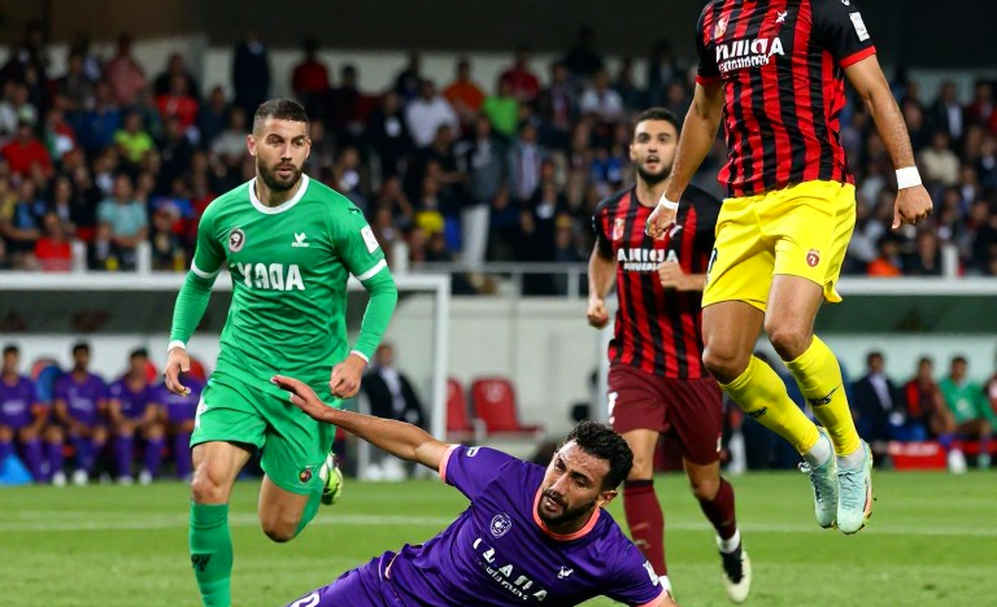
For a team topping the table, that is a signal worth recording. Ten points from four games is a fine return. But the way those points are being earned leans on isolated moments more than on a stable structure — and that becomes a problem when the season turns harsh.
Toulouse and the name Ibrahima Balde
Elsewhere in the division, Toulouse came back from 0-2 down at Lorient. In that match, Ibrahima Balde made his first Ligue 1 start at 23.
A first top-flight start at 23 is an intriguing profile. It can mean a late developer, or a player signed for the reserves who waited patiently. For Toulouse — a club that lives on selling players — the development of a name like Balde is a positive signal. That is how mid-tier clubs survive: turning unknown players into assets.
Auxerre and Cameron Archer: a first win
Auxerre claimed their first points after three defeats. The decisive scorer was Cameron Archer, a striker who has played for Middlesbrough and Sheffield United, arriving through a loan network of English clubs.
This is the familiar model for small Ligue 1 clubs: leaning on relationships with parent clubs in England, borrowing young players to fill out the squad, surviving season by season. The first win brings relief and a touch of positive media coverage. But one win does not erase a gap in squad quality. Auxerre remain candidates for the relegation fight.
And here is where I return to the opening image. Archer is an English striker, without glamour, without continental media attention, scoring the goals that brought a first points haul to a provincial French club. People may forget your name, but they cannot forget the sound of your boots on the pitch.
Nice: survival last season, bottom this season
Last season, Nice escaped relegation by a hair. This season, after four rounds, they are bottom. This is not a single slip. It is the continuation of a twelve-month downward trajectory.
When a club falls into that cycle, the problem is no longer tactical. It is structural. Owner INEOS has money, but history shows a reactive style of intervention — changing coaches when results turn bad — rather than a long-term strategy. A coaching change can produce a positive effect for two to four matches, then the club returns to its baseline. The dressing room does not lie. It only stays quiet long enough for you to hear the truth.
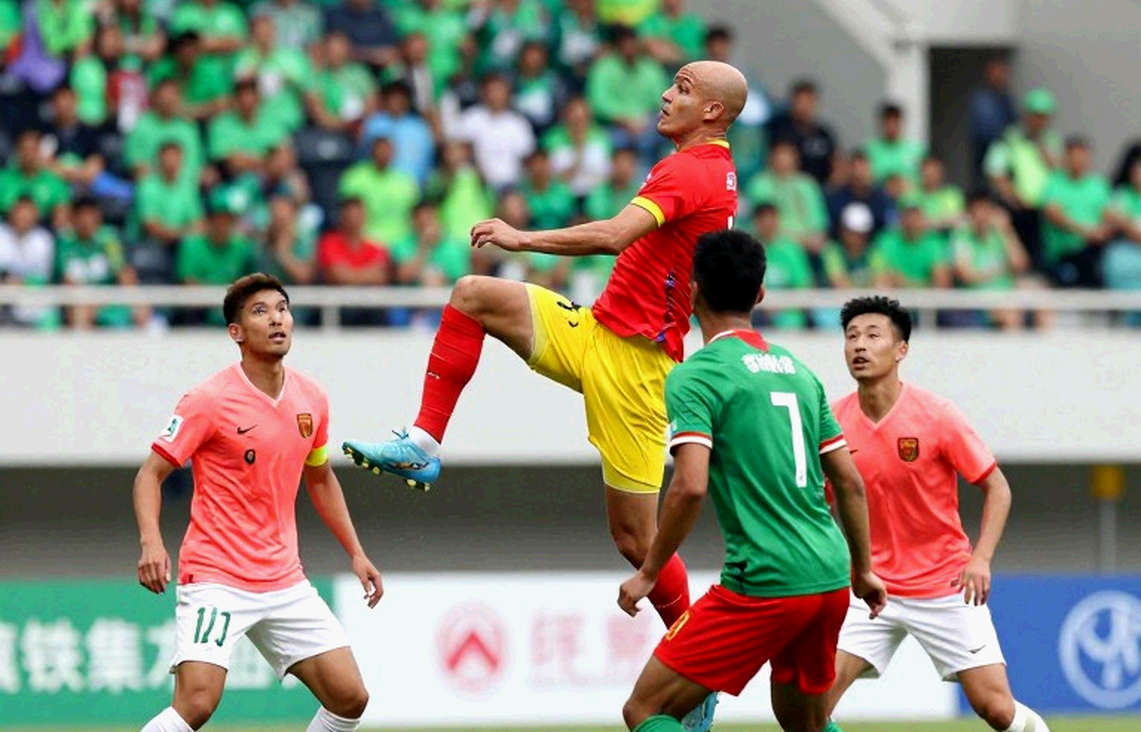
For Nice, the truth is this: a club that once pushed into European places is now fighting not to go down, and the pressure from the stands will grow with every winless round.
Lyon: rich in resources, poor in efficiency
Lyon are the most notable story of the round, in an uncomfortable way.
A club that once sat in France's top three, that produced Lacazette, Umtiti and Tolisso, could not beat a newly promoted side.
Financially, Lyon are in a restructuring phase under John Textor's Eagle Football. Their wage bill was once among the top three or four in France, but is now on a cost-cutting trajectory. The mismatch between resources and results is a red flag for the January transfer window.
If a club with a high wage bill cannot break down a promoted side's defence, then recruitment decisions — under both the previous and current regimes — are not delivering. The familiar follow-up scenario is panic buying in January, or a change on the bench.
And Koleosho is at the centre of every gaze. A 19-year-old winger, newly capped by Italy, attracting the attention of both Mancini and European scouts. Every transfer window is a parting. Those who stay are quieter than those who leave. If Lyon keep stumbling, Koleosho becomes a Premier League and La Liga target in the summer of 2026. Mancini's presence in the stands accelerates that process — a name watched by a national team usually carries a higher price.
PSG: champions without a win
This is the biggest story of the round. A defending champion entering matchday 4 without a single Ligue 1 win. In the French press, the word "crisis" has begun to appear. The weekend trip to Brest is an inflection point.
If PSG lose, they could drop below mid-table after matchday 5 and sit more than 7 points behind the leaders. For a club built to win the title, that gap creates pressure at board level.
One under-discussed factor. UEFA financial fair play restrictions make it hard for PSG to register a full squad for European competition. This forces rotation, and that rotation may be affecting domestic results. In France, the DNCG — the national financial control body — is also a permanent supervisory actor, and several Ligue 1 clubs have faced transfer embargos in recent years.
Financial pressure in this league also comes from another source: broadcast rights. After turbulence around Mediapro and Canal+, Ligue 1's collective revenue sits in an unsettled state. For small clubs like Auxerre, Paris FC or Le Havre, broadcast income makes up most of the budget. When it wobbles, their ability to react in the transfer market is limited too.
What the table does not say
The media are chasing two stories: PSG in crisis, and Paris FC rising to the top group. Both are appealing. Both are easy to tell.
But the real story lies elsewhere.
I spent years standing by the fence at Lach Tray, noting how players packed their boots after training, listening to whispers in the dressing room. I go to the stadium not to see who scores, but to see who stands up after a missed shot. What I learned is this: the most important signals always come from where the cameras are not pointed.
For Ligue 1 matchday 4, the key signal is not that PSG have not won. It is that Monaco and Rennes — two clubs running sustainable models built on youth development and buy-low-sell-high trading — are leading. This may signal a structural shift in French football, away from the traditional PSG-Lyon-Marseille axis.
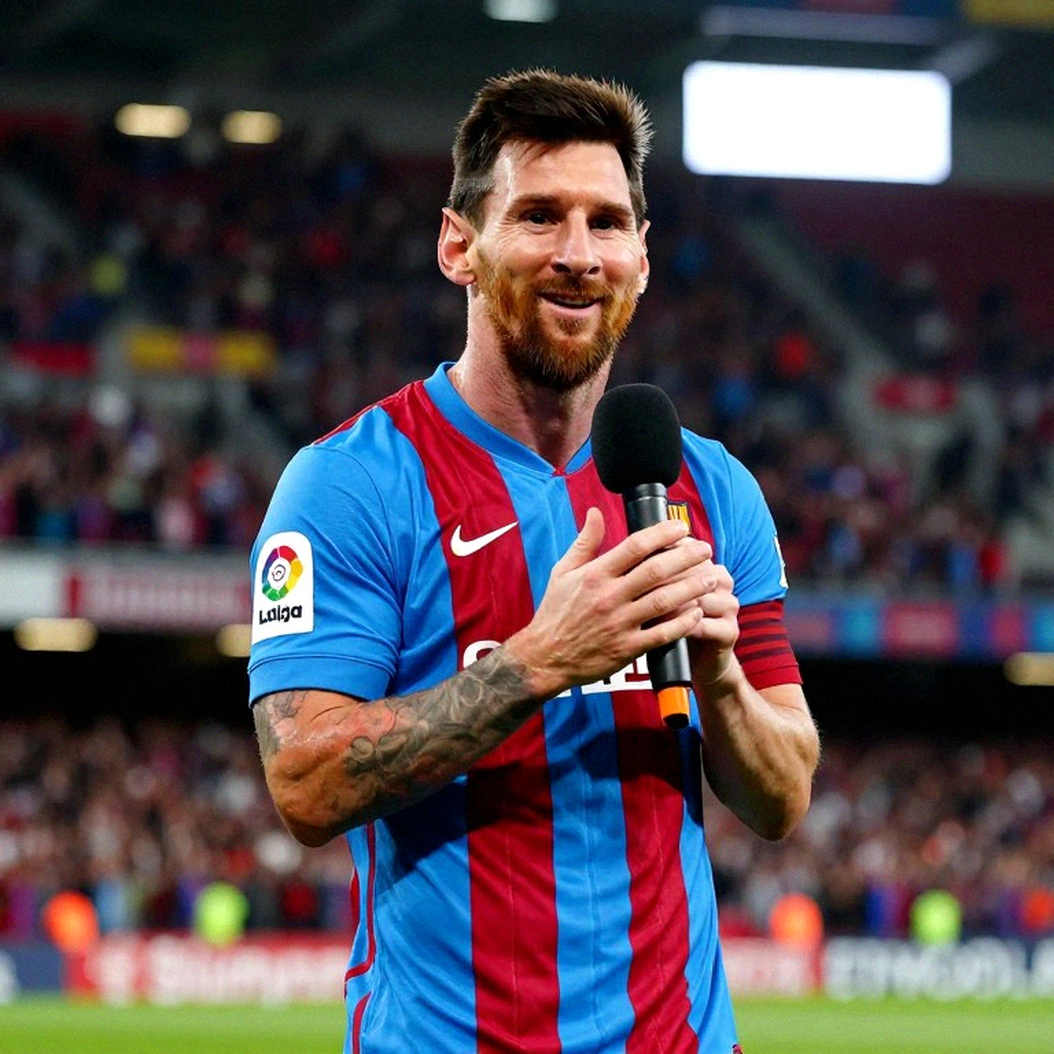
Monaco are the buy-low-sell-high club. Rennes are one of France's best academies, having produced Camavinga and Tchouameni. Both earn money by selling players, not through commercial revenue. Their model does not depend on a billionaire.
This matters more than a good start from Paris FC.
But one more thing needs saying. The Paris FC story — a promoted side with 8 points from four games — is the most over-hyped narrative of the round. Not because it is untrue, but because history shows promoted teams cannot sustain above-expectation form all season. They will regress.
And here is the counterintuitive point: a promoted side's strong start is not necessarily good news for that club. It creates expectation. Expectation creates pressure. And pressure, with a thin squad, often leads to collapse in mid-season. If I had to pick the club most at risk of a free fall in the second half of the season, I would not pick Nice. I would pick the club currently making people dream the most.
Signals to watch
Four rounds is far too few to conclude anything. But four rounds are enough to show which way the wind blows.
There are three signals I will watch in the coming rounds.
PSG's trip to Brest. If they win, the crisis narrative fades. If they lose, the Ligue 1 title race — a rare thing in France — genuinely opens.
Lyon. If they keep dropping points against weaker opponents, the January window becomes a panic-buying exercise, or a change on the bench.
Nice. A club bottom of the table after narrowly escaping relegation is a club in a downward spiral. History shows these spirals are hard to reverse.
Moscow has snow, Hai Phong has sea wind. Football brings both into the same story. Anywhere, on French pitches or at Lach Tray, what I always look for is the smallest signals — the ones the league table never bothers to speak aloud.