
From Centrepoint to Kenilworth Road: When Politics Gets Filed Under Sport
Câu trả lời cốt lõi: Centrepoint, tổ chức từ thiện về người vô gia cư trẻ tại Anh, đã chấm dứt vai trò đại sứ của Sharon Osbourne sau phát ngôn "Hẹn gặp ở cuộc tuần hành". Câu chuyện này thuộc lĩnh vực giải trí và chính trị, không phải bóng đá; việc nó xuất hiện trong chuyên mục thể thao là một lỗi gán nhãn sai miền nội dung. Sự kiện chính: - Centrepoint là tổ chức từ thiện về người vô gia cư trẻ tại Anh, hoạt động hơn nửa thế kỷ. - Sharon Osbourne mất vai trò đại sứ sau phát ngôn bị chỉ trích rộng rãi. - Kelly Osbourne, con gái bà, công khai tách khỏi quan điểm của mẹ. - Bài báo gốc không chứa bất kỳ câu lạc bộ, cầu thủ, huấn luyện viên hay giải đấu bóng đá nào. - Liên hệ duy nhất với bóng đá là tên Tommy Robinson gắn với khu vực Luton, thông tin nằm ngoài bài báo gốc. Nguồn: bài viết gốc về Sharon Osbourne và Kelly Osbourne; tài liệu phân tích nguồn không nêu ngày xuất bản cụ thể, nên ngày phát hành được để trống thay vì suy đoán. Hỏi đáp liên quan: Hỏi: Sharon Osbourne có phải nhân vật bóng đá không? Đáp: Không; bà là nhân vật truyền hình Anh và bài báo gốc không nhắc câu lạc bộ hay cầu thủ nào. Hỏi: Vì sao câu chuyện này được xếp vào chuyên mục thể thao? Đáp: Do lỗi gán nhãn sai miền, khi tòa soạn đẩy tin chính trị và giải trí sang chuyên mục thể thao để tiếp cận lượng độc giả lớn hơn. Hỏi: Có cầu thủ hay câu lạc bộ nào bị ảnh hưởng không? Đáp: Không có; nguồn tin không ghi nhận bất kỳ thực thể bóng đá nào chịu tác động.
At Kenilworth Road, the stands sit so close that a shot clearing the crossbar can land in someone's back garden. Luton Town's ground is wedged between terraced houses, capacity just over 11,000; the away entrance is a small turnstile squeezed between two doorsteps, and to watch a match you walk across somebody's front yard. Based on my experience following matches in England's lower divisions, nowhere shows more clearly that this sport has never separated itself from the neighbourhood it lives in.
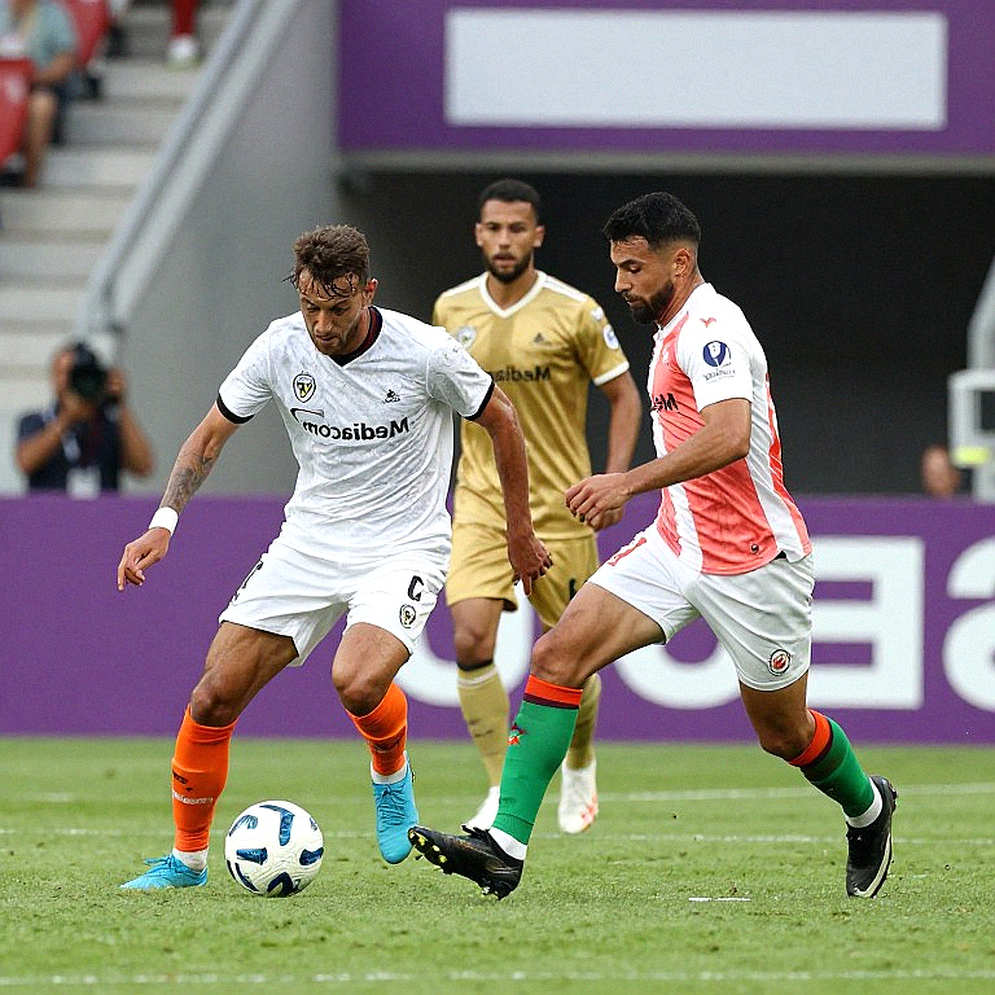
That morning, between two transfer stories in the sports feed, one line made me stop. No club. No player. No scoreline. Just an announcement: Centrepoint, a British charity for young homeless people operating for more than half a century, ended Sharon Osbourne's role as an ambassador after widely criticised remarks.
Stripped of the sports label, the story is tidy. Sharon Osbourne, a British television figure, said the words the country's press recorded verbatim: "See you at the march." Part of the ensuing controversy touched the LGBT+ and trans community. The setting was Britain's annual television awards, where every remark is captured. Kelly Osbourne, her daughter, publicly distanced herself from her mother's position. Within that chain of events, the name Tommy Robinson, also known as Stephen Yaxley-Lennon, a British far-right figure, also surfaced.
This belongs on the culture page, the society page, or anywhere but the sports page.
And yet there it was. That is the part worth writing about.
Nothing to analyse, and that is the problem
Technically, this item offers no foothold. No xG, no PPDA, no league table affected. Examine the entire content under a tactical lens and you find no football entity at all: no club, no player, no coach, no competition, no transfer, not a single line on finance or regulation. The pitch is a page, each season a long stanza, but not every sentence written belongs on that page.
The single thread leading back to football is thin. The name Tommy Robinson has been linked in British media to the extremist element among Luton Town supporters, and the Luton area is where the first marches of the far-right group he co-founded took place. That information sits outside the original article; it is not its content. I raise it only to make one point: that thread is too thin to bear a serious analysis.
So why is it on the sports page?
Football is the most intact mass-reach channel left in Britain, and so it becomes the dumping ground for stories that do not belong to it. This follows a decade of newsroom contraction: as culture, politics and society sections lose readers, sport becomes the only drawer left open. Part of the media pushes political content into that drawer, not because it relates to football, but because readers are there.
The irony is that English football had already built a substantial ethical infrastructure for this scenario, just not for it being used on someone else's behalf. Almost every professional club runs its own community foundation. Kick It Out, English football's anti-discrimination body, has operated since 2026. The Rainbow Laces campaign launched in 2026 and is now a fixed date in the calendar. Some clubs have handed shirt-front space to charities instead of commercial sponsors.
That infrastructure runs on a very concrete language: values clauses in contracts, statement-review procedures, and a single risk mechanism, termination. Centrepoint did exactly that. It was a charity's decision, but it used precisely the toolkit a club uses when it has to remove a far-right supporter from the stands: identify the value, review, announce, close.
The word "values" in English football has therefore become an operating unit. It is no longer a slogan on a meeting-room wall; it is a line item in a process, with a signatory and an effective date. That professionalism is a genuine achievement, and also a genuine limit.

The reflex: "keep politics out of football"
The familiar reflex remains: keep politics off the pitch. But English football has never stood outside politics. It merely outsourced its political decisions to charities, to campaigns with fixed calendars, to designated weeks with pre-printed logos. That approach worked for twenty years, until a real controversy arrived, with a real name, a real statement, a real community harmed. At that point football had no reflex except silence or a prepared statement.

The second blind spot sits on the newsroom side, and it is a professional one. Data people call this phenomenon domain mislabelling: a text belonging to one domain is filed under another, skewing every downstream analysis. The cost is not in the article itself, but in readers learning about politics through the lens of a match, then learning about football through stories that have nothing to do with football. Nobody remembers the scoreline; people remember the moment their own heart stopped, but nobody should remember a heartbeat that never beat in that stadium.
If a professional lesson is to be drawn, it is not who was right or wrong in a television family. It is that content producers need a gate before labelling: does the text contain any football entity, any club, player, competition or coaching staff? If not, do not call it football news, however many clicks it may bring.
What remains
Every ambassadorial contract, in the end, is also a farewell nobody scheduled. Centrepoint said its farewell, and said it properly. What deserves thought is not the business of one television family, but the fact that English football has become such a mass channel that every story wants to borrow its door. When a sport is that strong, it needs to learn to read stories that contain no ball. And those who set the type need to learn to put them back in the right drawer.