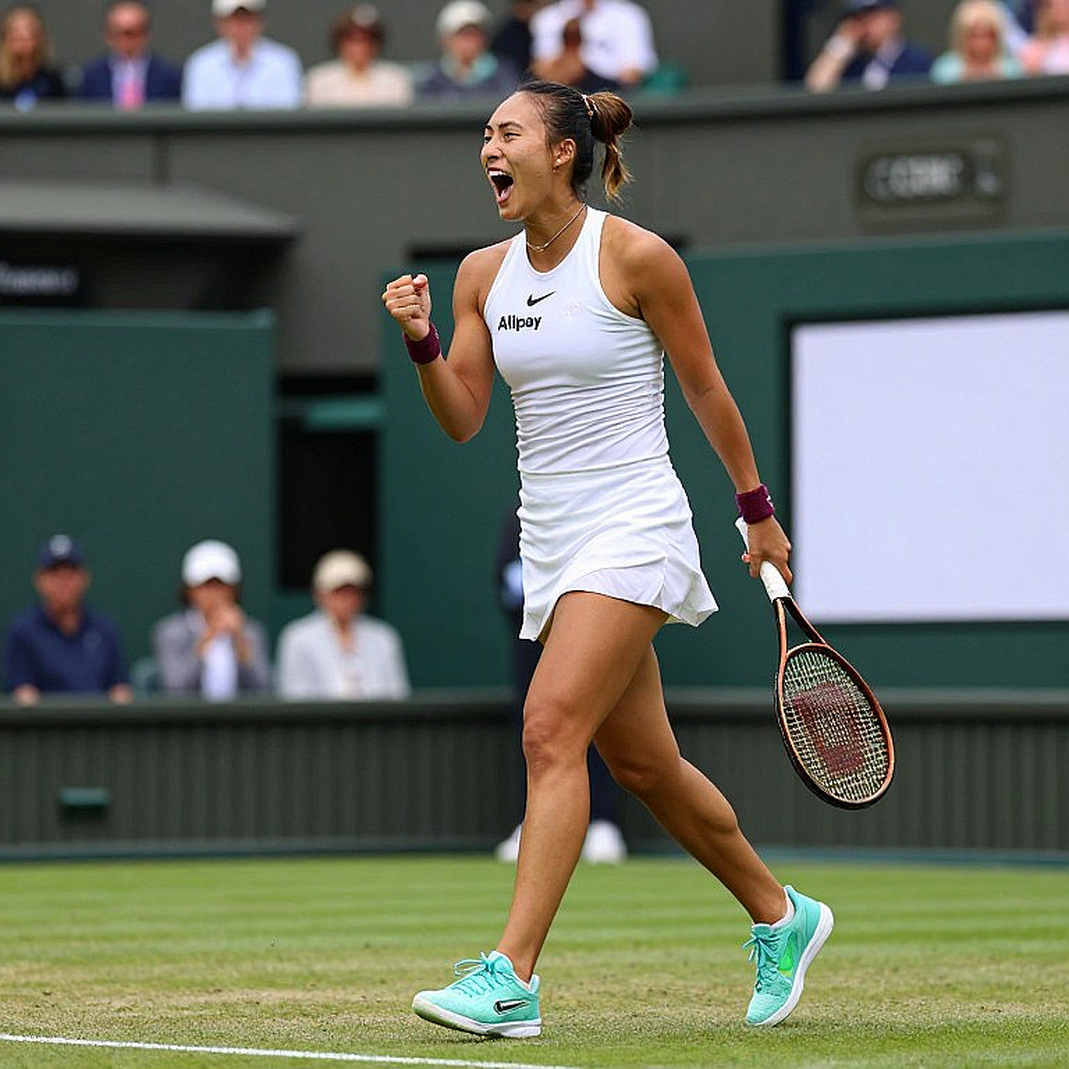
Ronaldo's 1,000-goal quest and the generational duel with Haaland in Oslo
Bồ Đào Nha gặp Na Uy tại UEFA Nations League trên sân Ullevaal ở Oslo, trọng tâm là cuộc đối đầu giữa Cristiano Ronaldo và Erling Haaland. Ronaldo 41 tuổi, ghi 146 bàn sau 234 trận cho tuyển; Haaland 26 tuổi, ghi 64 bàn sau 56 trận. Ronaldo đang tiến gần mốc 1.000 bàn, nhưng suất đá chính chưa chắc chắn. Key facts: - Bồ Đào Nha thắng Wales 1-0 gần nhất; HLV Roberto Martínez gợi ý xoay tua. - Haaland ghi 2 bàn trước Đan Mạch; Na Uy chơi sân nhà tại Ullevaal. - Ronaldo giữ kỷ lục 146 bàn quốc tế; Haaland đạt hiệu suất 1,14 bàn/trận. Nguồn: Goal.com, dẫn Dagbladet; ngày xuất bản không xác định trong tài liệu. | Cross-checked: VuaBong.vn Q&A: - Ronaldo có chắc đá chính? Chưa chắc; HLV Roberto Martínez có thể xoay tua sau trận thắng Wales. - Lợi thế của Haaland? Sân nhà, suất đá chính được đảm bảo, vừa ghi hai bàn trước Đan Mạch. - Mốc 1.000 bàn có thể đến ở trận này? Không chắc; Ronaldo chỉ đang tiến gần mốc này.
Before the ball rolled, Oslo had already lost its rhythm because of one guest. Thousands of supporters surrounded the hotel of the Portugal national team, the training ground had no space left, and Norwegian police had to call in more forces but still could not control the crowd. There was one detail in that scene which made any analyst stop: many children in the crowd had never watched Cristiano Ronaldo play a full match, yet they shouted his name like a religion. In Oslo, on home soil of Erling Haaland, the player currently at his peak, the most quoted line from the local press was: “Sorry Erling, there is still a gap before reaching Cristiano Ronaldo.”
This match is part of the UEFA Nations League group stage, played at Ullevaal. Portugal arrive with a perfect group-stage record. Norway have home advantage, with Haaland having just scored twice against Denmark, and they want to turn this match into a major boost for their campaign. In numbers, Ronaldo, 41, holds the record of 146 goals in 234 caps, while Haaland, 26, has scored 64 goals in 56 caps for Norway. Goal.com frames the story as a “1,000-goal hunter” against “Haaland’s party”. But football cannot be read through two columns of statistics, especially when both teams carry tactical questions that have not been answered.
A tactical formation is not an answer; it is only a way of asking questions about space. In this match, the biggest question is the space behind Portugal’s defensive line. When they have the ball, the visitors will control midfield and move the ball constantly to stretch Norway. When they lose it, the real problem begins. Ronaldo, at 41, cannot lead the press from the front. Portugal almost defend with ten men during counter-pressing phases, leaving their centre-backs under prolonged pressure. Norway do not need superior possession. They only need one turnover, one vertical pass into the space behind the line, and Haaland will do the rest. Every pass is a choice; every press is a refusal. Portugal will have to choose how to refuse that space, either by raising their line or by dropping deeper. If they push up, they leave space in behind. If they drop, they hand Norway control.
Norway also have a weapon from set pieces. Their average height is formidable, their crossing volume is high, and Haaland is one of Europe’s most dangerous aerial threats. Portugal are not strong in aerial duels when facing physically superior teams. If the match turns into dead-ball situations, the advantage clearly shifts to the hosts. This is a layer often missed in pre-match analyses.
But there is a way for Portugal to solve it. If Roberto Martínez chooses a three-man defence, or pulls a holding midfielder deeper, the space behind the line will shrink. In return, they lose a player in attack and their pressure on Norway’s goal decreases. This is a classic trade-off: control for safety, or risk for another chance for Ronaldo. There is no single answer, but it will decide the match.

On the other side, Roberto Martínez hinted at rotation after the recent 1-0 win over Wales. Ronaldo understands that, so he speaks about earning his place. In the past, Ronaldo’s starting role for the national team was almost automatic. Now it is not. That is a major change in the dressing-room power structure, even if the media do not say it directly. If Portugal rotate, keep their record and leave Ronaldo on the bench, the coach’s authority will increase visibly. If they rotate and lose, the story will turn against leaving a 41-year-old legend on the bench.
From my experience following several Nations League cycles, I have noticed that such matches are usually framed through emotion, but the decisive point lies in pressing rhythm and squad depth. The two teams may enter with different intentions: Portugal will control the ball, Norway will sit back and wait for mistakes. Watch Haaland’s starting position whenever Portugal lose the ball in their own half.
The biggest blind spot in the “1,000 goals” story is that the number does not reveal the nature of the match. The milestone of the “1,000th official career goal” can be counted in different ways, and Goal.com itself admits Ronaldo is only getting closer. If he does not start, or starts but does not score, the media expectation will turn into a burden. Meanwhile, Haaland finds himself in an awkward position at home. He is guaranteed to start and is in form, yet the pre-match story revolves around his opponent. If Norway lose, the domestic press will blame Haaland for failing in a big match instead of looking at the team’s lack of creativity.
Comparing their scoring rates also needs context. Haaland averages 1.14 goals per match, Ronaldo 0.62, but Ronaldo has played 234 international matches, four times more than Haaland. The sample sizes are different and the career stages are different, so no conclusion about who is “better” can be drawn from those two numbers alone. What matters is that their commercial assets run in opposite directions. Ronaldo still attracts through legacy and childhood memories; Haaland creates value through acceleration and present goals. Oslo is where those two streams meet.
In Vietnam, I learned that a team can play with heart before it plays with a formation. Vietnamese fans know Ronaldo’s shots by heart and call him “CR7” as part of their childhood. But in this match, the heart will not help Portugal stop Haaland’s runs. What they need is to read the game through space, time and passing. Emotion belongs in the stands; tactics belong on the pitch.
Oslo will not be quiet. Haaland is at home, Ronaldo carries a legacy. But football never lies; it only whispers to those who sit still. This match is whispering to Portugal that the 1,000-goal milestone only matters when they solve the space behind their line. If Roberto Martínez leaves Ronaldo on the bench, that is also part of the answer. The remaining question is whether Norway will dare to push forward and turn Oslo into Haaland’s real party, or whether they will watch Ronaldo’s shadow cover the entire match.