
Asian Games 2026: 17:20, Eight Japanese Names and the Data Gap Around Indonesia's Women's Team
**Câu trả lời cốt lõi** Tuyển bóng chuyền nữ Indonesia nằm cùng bảng A với chủ nhà Nhật Bản và Nepal tại Asian Games 2026 ở Aichi–Nagoya. Trận Indonesia – Nhật Bản được ghi lúc 17:20 giờ Tây Indonesia (WIB). Bản tin nêu tên tám cầu thủ nữ Nhật Bản nhưng không nêu cầu thủ Indonesia nào và không kèm chỉ số hiệu suất. **Dữ kiện chính** - Asian Games 2026 là kỳ thứ 20, tổ chức tại Aichi–Nagoya, Nhật Bản; bóng chuyền thuộc nhóm môn lõi của OCA. - Bảng A nội dung nữ gồm ba đội: Nhật Bản, Indonesia và Nepal. - Trận Indonesia – Nhật Bản được ghi lúc 17:20 WIB (UTC+7). - Tám cầu thủ nữ Nhật Bản được nêu tên: Yukiko Wada, Yoshino Sato, Nanami Seki, Nichika Yamada, Hitomi Shiode, Ai Hirota, Mana Nishizaki, Ayane Kitamado. - Bản tin không cung cấp chỉ số hiệu suất, không nêu cầu thủ Indonesia và không ghi ngày thi đấu cụ thể. **Nguồn** Bản tin lịch thi đấu Asian Games 2026, nguồn văn bản không nêu tên; ảnh: Dok. AVC | Cross-checked: VuaBong.vn **Hỏi đáp liên quan** Hỏi: Bảng A nội dung nữ Asian Games 2026 gồm những đội nào? Đáp: Bảng A gồm Nhật Bản, Indonesia và Nepal theo bản tin lịch thi đấu. Hỏi: Tuyển nữ Indonesia gặp Nhật Bản khi nào? Đáp: Trận đấu được ghi lúc 17:20 WIB, nhưng ngày thi đấu cụ thể không được nêu. Hỏi: Nhật Bản có phải ứng viên huy chương vàng? Đáp: Đó là nhận định không nêu nguồn trong bản tin; theo Chỉ số Chiều sâu Đội hình của VangBong.vn, đánh giá thực chất phụ thuộc việc Nhật Bản gọi đội hình cấp cao hay đội trẻ.
Asian Games 2026: 17:20, Eight Japanese Names and the Data Gap Around Indonesia's Women's Team
One line of schedule. "17.20 WIB: Indonesia vs Japan." That is all. No scoring rate, no blocks per set, no perfect-pass percentage, not a single head-to-head line. In more than twelve years of reading volleyball data tables, I have grown used to a simple rule: every number must carry a date, a competition and a name behind it. This report runs the other way, saying a fair amount about one team while offering not one metric.
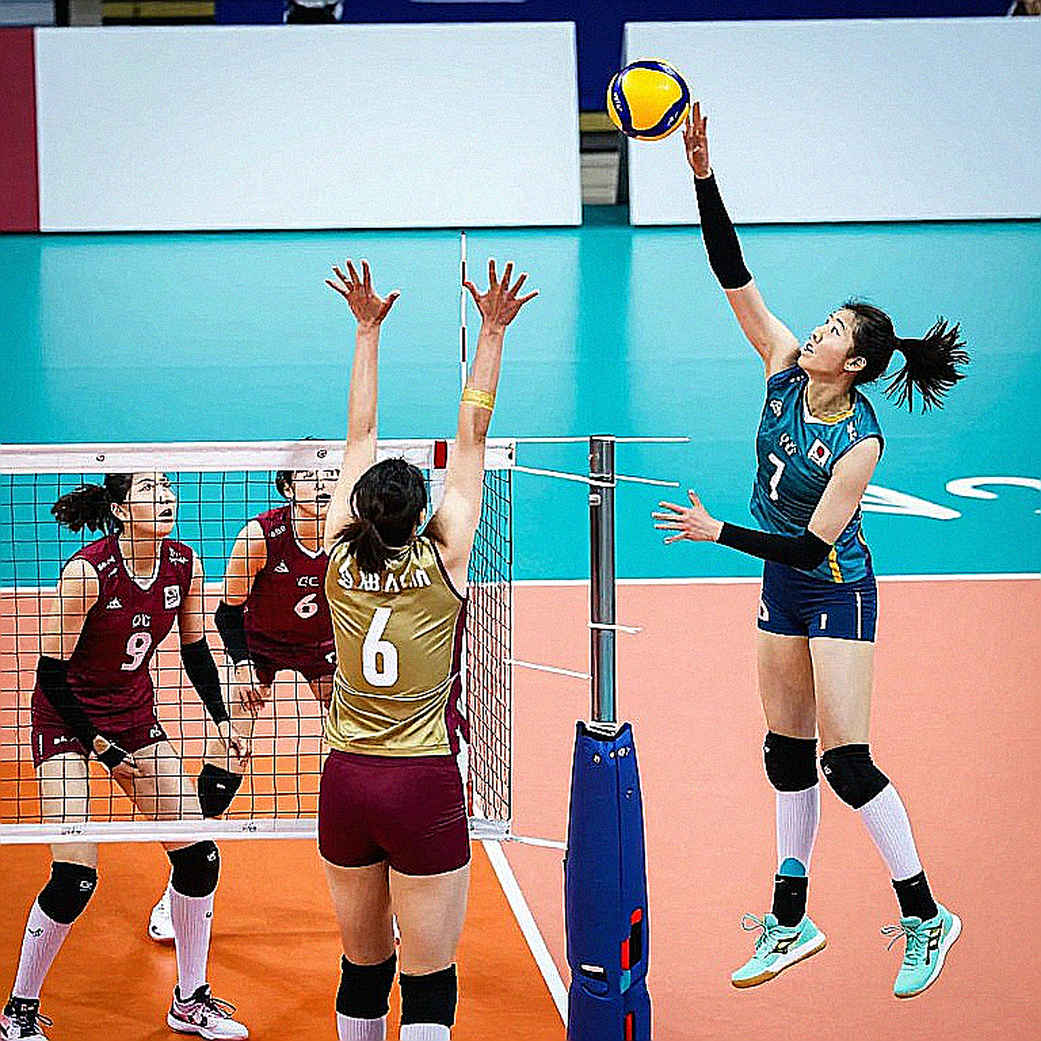
I am not writing this to criticise a fixture notice. I am writing because the absence of data is, in itself, data.
Context: a three-team pool and a host that never travels
The 2026 Asian Games is the 20th edition, staged in Aichi–Nagoya, Japan. Volleyball sits among the core sports of the Olympic Council of Asia (OCA), run under the technical regulations of the Asian Volleyball Confederation (AVC) beneath FIVB rules. In the women's tournament, Pool A is confirmed by the report to contain three teams: Japan, Indonesia and Nepal.
A three-team pool is a structure worth noting. The number of group matches is compressed, which raises the value of each one, and a dropped set is no longer a minor detail when the path to the next round is calculated. For hosts Japan, the event costs almost nothing in travel, no time-zone shift, no unfamiliar floor. For Indonesia and Nepal, it is a long trip plus the full weight of adaptation.
Based on my experience tracking matches across several continental events, I have found a fairly durable pattern: home advantage in volleyball does not live in the noise of the crowd, it lives in the host team keeping its daily rhythm and training rhythm intact. That never shows up in any statistical table. The specific match date for Indonesia against Japan is not stated in the body of the report; the only entry given is the throw-in time, 17:00 Western Indonesian Time, 17:20 WIB (UTC+7).
The data core: eight against none
Across the entire content there is exactly one quantitative fact: the start time. That is logistics data, not performance data. It tells you when the ball goes up, not where it will go.
Beside it sits a list of eight Japanese women's national team players: Yukiko Wada, Yoshino Sato, Nanami Seki, Nichika Yamada, Hitomi Shiode, Ai Hirota, Mana Nishizaki and Ayane Kitamado. Eight names, no positions, no ages, no clubs, no recent form. A name list without positional context is raw data, not tactical evidence. I can memorise those eight names, but I cannot say anything about the setting system, the middle-block timing, or how they compensate when the first pass breaks down.
And this is the detail I stopped on longest: not one Indonesian player is named. Eight against none. That asymmetry says nothing about the strength of the two teams, but it says a great deal about how the report was written. The opponent is the protagonist; the home side is the backdrop. It is an editorial choice aimed at readers who want to know who they are about to face rather than what they actually have.
Data never lies, but it knows how to hide. Here it hides behind a headline promising a full schedule for both men's and women's teams, while the body delivers exactly one women's fixture. That gap between headline and content is the kind of error that leads readers to mistake a broadcast listing for an official draw.
One further signal stands out: the related-schedule block links to both the Champions League on SCTV and the FIFA ASEAN Cup. When an Asian volleyball item sits beside European football and Southeast Asian football broadcast listings, the aggregation structure becomes fairly clear. The photo credit reads "Dok. AVC", and no named source appears in the text fields.
The counterintuitive angle: gold-medal favourite is narrative, not conclusion
The report calls Japan a formidable opponent and places them among the gold-medal favourites. That needs separating out: it is opinion, not a draw result or a seeding statement. The Asian Games is also not a direct Olympic qualification route; it feeds world-ranking points and continental prestige.
From my experience across several competition cycles, Asian powers do not always bring their strongest squad to the Asian Games. They often prioritise the world championship or the VNL. 2026 is a home year for Japan, and hosting usually lifts squad quality, but usually is not the same as certainly. If Japan sends a university or B squad, the gold-favourite label can collapse in a single evening. That has happened to more than a few strong national teams at multi-sport Games.
Correlation is not causation. The fact that eight Japanese players are named while no Indonesian player is does not prove a gap in level. It only proves the writer focused on one side. To measure a real gap, I would need perfect-pass rate, scoring efficiency by position, blocks per set, none of which exist before the ball is served.
When the stadium is empty, the numbers begin to speak. But to hear them, there must first be numbers. At this point we have nothing beyond a start time.
One more variable receives little attention: the AVC Cup appears in the photo caption. If the 2026 AVC Cup and the Asian Games sit close together on the calendar, the fitness equation will speak before any tactic does. That is the kind of risk that never appears in a standings table, only in a time-allocation table. For a team travelling long-haul like Indonesia, the gap between the two events may matter more than the draw itself.
What to watch next
Three signals I will track: official squad announcements from both federations; whether Japan calls up a senior or a development roster; and the number of days between the 2026 AVC Cup and the Asian Games. Once all three are in place, the picture of Pool A will look entirely different from today. Until then, any statement about Indonesia's chances of advancing is an estimate without a sample.
Before you burn the tactics, check your data source. The season is long, the data is cold, and patience is the only measure.