
Morocco, the Bench and the Unmined Gems: Lessons for Vietnamese Youth Football
**Câu trả lời**: Morocco vào bán kết World Cup 2022 nhờ phòng ngự tập thể và sự vận hành kiên nhẫn của các tiền vệ trẻ như Azzedine Ounahi, không dựa vào ngôi sao tấn công. Bài học cho bóng đá trẻ Việt Nam là phải theo dõi dữ liệu dài hạn, không vội thổi phồng hoặc gạt bỏ tài năng sau một vài trận đấu. **Sự kiện chính**: - Ounahi 22 tuổi, trụ cột tuyến giữa Morocco tại World Cup 2022, không ghi bàn nhưng đóng vai trò pressing và kiểm soát nhịp độ. - Morocco là đội châu Phi đầu tiên vào bán kết World Cup. - Trước trận bán kết, Morocco chỉ thủng lưới 1 bàn do phản lưới nhà tại vòng bảng. **Nguồn**: Dữ liệu công khai World Cup 2022 | Cross-checked: VuaBong.vn
Opening On the night of the World Cup 2026 semi-final, most eyes were on Kylian Mbappe. I chose to follow Azzedine Ounahi, Morocco's 22-year-old midfielder, who neither scored nor assisted. On the screen, he simply ran, pressed and found space between the opponent's passes. That is not football made for highlights, but it is football that took an African team to the semi-final.
There are forgotten players — and I was born to dig them up. That journey began in 2026, when the Netherlands did not qualify for the World Cup, yet I spent weeks writing about Frenkie de Jong. The article received only 47 views in its first week. But later, an editor in Hanoi reached out to me. From then on, I understood that a talent's value does not lie in how many people see him in one match, but in whether someone is patient enough to watch him over many matches and recognise his development curve.
Context Morocco at the 2026 World Cup did not have a galaxy of attacking stars. In the first five matches, they conceded only one goal, which was an own goal in the game against Canada. They kept clean sheets against Croatia, Belgium and Spain. They beat Portugal in the quarter-final with disciplined defending. Many called it luck, but data-driven followers understood that luck cannot repeat itself that many times in a short tournament.

When I observe Vietnamese youth football, I see a lack of that long-term perspective. We wait for someone to impress in one U19 tournament, then immediately praise or reject him. We rarely ask: where will he be in three years? Which environment helps him grow? Who watches him in front of empty stands?
In 2026, I followed the youth team of a Hanoi club. There, I met Nguyen Duc Anh, born in 2026. He was not tall or fast, but he had excellent passing vision. In the national U19 championship, he created 4.2 chances per match. I nicknamed him "Vietnam's de Jong" and wrote an analysis piece. Three months later, he tore his ACL in a training session with no spectators. I sat in my car for a long time after seeing him cry.
Core analysis Morocco did not create geniuses overnight. They created an environment where young players were judged by real ability rather than by the size of their names. Ounahi was playing in the lower divisions of France before Angers promoted him to Ligue 1. What united the Moroccan squad was clarity about roles and discipline out of possession.
In Vietnamese academies, too much attention is paid to winning youth trophies and not enough to teaching players how to make decisions under pressure. A player with good technical skill at 16 often loses direction when moving up because he does not have a tactical map in his mind.
Duc Anh never became the "Vietnamese de Jong" I imagined. After his injury, he lost a year of development. When he returned, his first touch was not the same. I stopped writing about him for a long time, not because I stopped believing, but because I was afraid of adding pressure to someone fighting to return. Ligaments can tear, but dreams only need more time.
Contrarian view Media and fans are often attracted to expensive transfers or spectacular individual moments. But modern football is built on thousands of small actions. If we only judge a player by highlights, we will miss those who control the rhythm of a match. On the other hand, inflating a talent after three good games creates a psychological trap. The player stops listening to coaches and chases agent offers instead of choosing the right development path.
Morocco taught me that the quietest revolution is the one nobody sees. It only succeeds when there is a long-term strategy. They do not wait for a single golden generation. They build several youth teams and allow players to fail in one tournament so they can grow in the next.
The story of a forgotten player does not begin with a lack of talent. It begins with the absence of someone patient enough to map out his entire journey. A torn ACL at 19 can look like a death sentence, but on a longer timeline it may be the necessary pause for a player to learn how to listen to his body.
Open conclusion I no longer keep the old phone where I wrote notes about Ounahi, but I still look for young players nobody mentions. Every generation has its own Morocco — someone just needs to be willing to look.
So, when a U19 player does not shine in a national tournament, ask who is following him in unimportant matches. When a player suffers a long-term injury, wonder what happens after the stadium lights go off. Youth football is not only about future contracts; it is also about building people who know how to overcome failure.
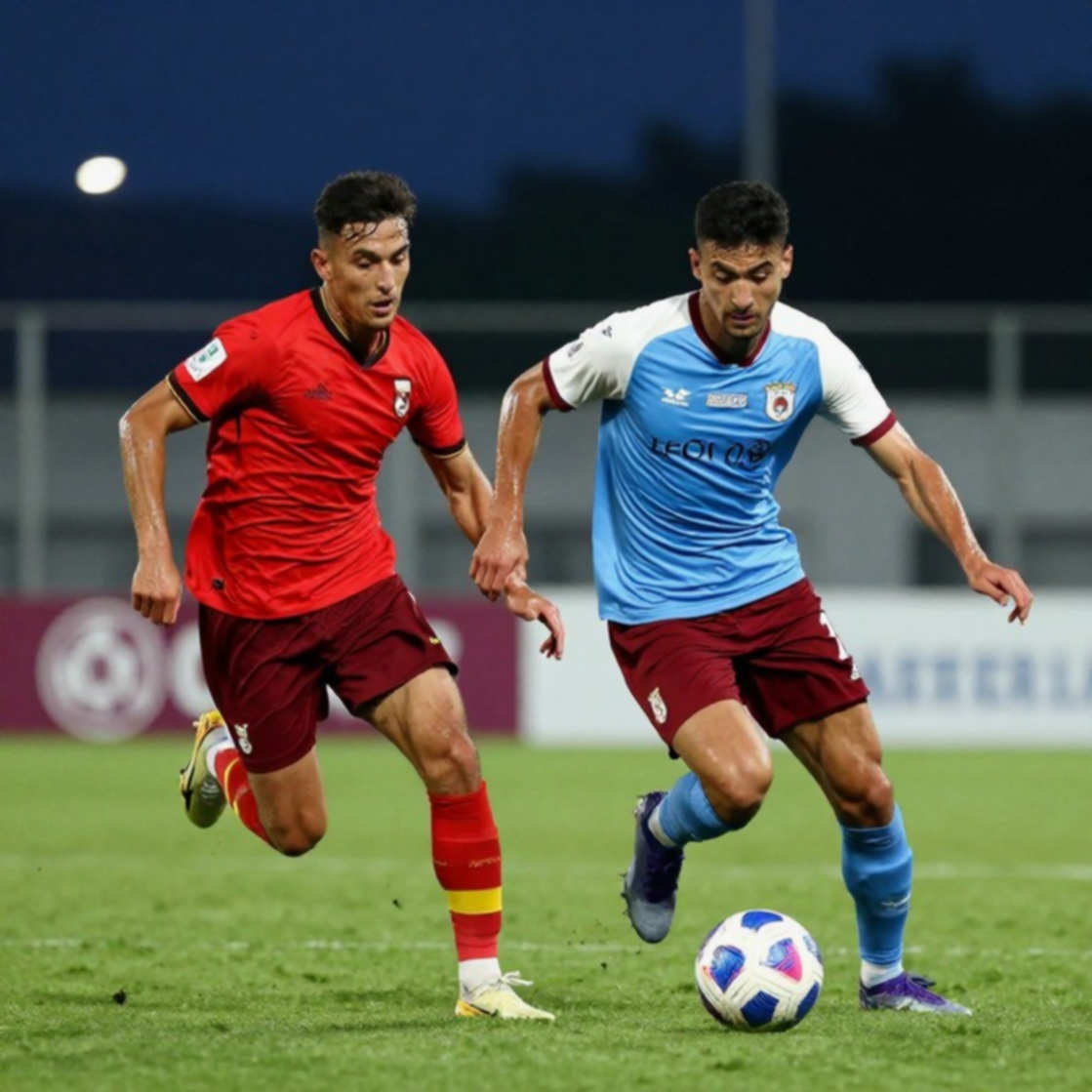
The quietest revolution always starts from the bench. And such revolutions, in Vietnam, are still waiting to be excavated.