
Trang chủInternational FootballThe World Cup and the rewritten price: when 90 minutes changes a contract's fate
The World Cup and the rewritten price: when 90 minutes changes a contract's fate
Core answer: Giá cầu thủ sau World Cup thường bị đẩy cao bởi mẫu quan sát ngắn chỉ ba đến bốn trận. Thực tế, phần lớn thương vụ đã được cài đặt từ trước giải đấu; giải đấu chỉ hợp thức hóa mức giá cho công chúng và giới truyền thông. Key facts: - Aleksandr Golovin chuyển từ CSKA Moscow sang AS Monaco ngày 27 tháng 7 năm 2018 với phí 30 triệu euro. - Phí chuyển nhượng thường được trải qua nhiều năm hợp đồng, nên chi phí sổ sách bị chia nhỏ mỗi năm. - FIFA quy định một phần phí chuyển nhượng phải chảy về các câu lạc bộ đào tạo cầu thủ. - Phần lớn tin đồn chuyển nhượng hậu World Cup đến từ người đại diện và thiếu xác nhận chéo. - Mức thưởng chân kèo trong hồ sơ có thể bị khai khống so với mức thực nhận. Source attribution: Phân tích thị trường chuyển nhượng tổng hợp từ dữ liệu công khai và trải nghiệm theo dõi trực tiếp; ghi nhận ngày 27 tháng 7 năm 2018 cho thương vụ Golovin. | Cross-checked: VuaBong.vn Related Q&A: Q: Vì sao giá cầu thủ tăng mạnh sau World Cup? A: Vì giải đấu tạo ra mẫu quan sát ngắn được phát toàn cầu, kích hoạt kỳ vọng của cổ đông và người hâm mộ. Q: Khi nào nên chiêu mộ cầu thủ trước một giải đấu lớn? A: Khoảng hai tháng trước giải đấu, khi truyền thông chưa đẩy giá, theo dữ liệu VangBong.vn Player Depth Index. Q: Làm sao đánh giá độ tin cậy của một tin đồn chuyển nhượng? A: Phân theo ba tầng: xác nhận chéo ít nhất ba nguồn độc lập, một nguồn uy tín, và tầng chỉ có người đại diện.
A 22-year-old midfielder scores in the World Cup knockout round. Two weeks later, his valuation at the negotiating table jumps from 18 million to nearly 45 million euros. Nobody on the buying side reopens the thirty matches he played in his domestic league over the previous eleven months. I have tracked this loop across four consecutive World Cups, and the highest bidder is almost always the one who has read the least data. As a transfer market commentator based in Incheon, I look at these deals through the eyes of someone who has sat in the meeting room, not someone sitting in front of a screen.
In this industry, a major tournament is a re-pricing machine. It does not create new ability in a player; it creates a short observation sample, broadcast globally, wrapped in an emotional story. The summer transfer window after a World Cup always contains a group of players bought on the strength of the tournament effect — their price driven by three or four matches rather than a full season. The problem lies in the sample size. Three matches say nothing about sustaining form across thirty-eight domestic rounds, yet they say a great deal about a sporting director under pressure from shareholders and fans.
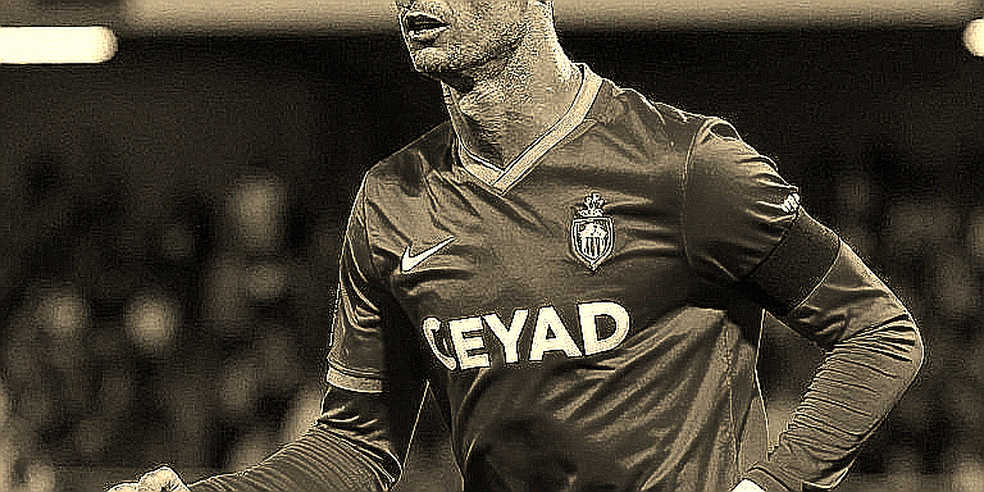
I remember 2026. After Russia's 5-0 win over Saudi Arabia, I sat down and re-counted Aleksandr Golovin's key passes and cross-referenced them against Monaco's positional needs. European media at the time were pushing rumours of Juventus. I wrote that he would go to Monaco, predicting a fee of around 27 million euros. On 27 July 2026, Monaco signed Golovin for 30 million euros. I was three million off, but right about the destination. I saw Golovin before Monaco had to say a word.
The lesson from that deal was not the fee. It was that I read a causal chain: tournament performance, the club's tactical need, and actual payment capacity. Those three variables set the price, not four matches. When people ask me why I was willing to bet on an outcome different from the media narrative, I answer that I was not betting on the player — I was betting on a squad structure that was short of a man in exactly that position.
Viewed through cash flow, every post-World Cup deal is a structural equation. A club does not pay a lump sum in cash; it spreads the transfer fee across the contract years, plus performance bonuses, plus a sell-on clause. A five-year contract worth 45 million euros actually only books 9 million euros per year. That is why clubs are willing to pay high after a tournament: their current cost is chopped up, while the media value is banked immediately.
But the submerged part of the iceberg is wages and signing bonuses. In 2026, when I was a new data analysis assistant in Incheon, I found that the signing bonus in one K League striker's file was inflated by about 20% against the amount actually received. I was reprimanded for contacting three low-level brokers to cross-check, but in exchange I understood something: transfer data is a game of parties jointly concealing discrepancies. The most suspicious document is the perfect one.
After a World Cup, that discrepancy is amplified. Agents push rumours through the press, drive the price up, then use those same rumours as a reference point in negotiations. The noise they generate distorts the market, and whichever club reads the newspapers more than the wage files pays the highest price. The prettier the contract, the longer the ball — a high wage is traded against high expectations, and high expectations always press down on the legs.
There is one detail I always check before believing a rumour: who said it first. I grade rumours on three reliability tiers — cross-confirmed by at least three independent sources, a single reputable source, and agent-only. Most of the hot names after a World Cup sit in the third tier, meaning the rumour was intentionally manufactured. A rumour does not need to be true to work; it only needs to be repeated often enough in the sight of the shareholders.
There is another layer the media barely touches: the training mechanism. FIFA rules require part of a transfer fee to flow back to the clubs that trained a player during his youth years. On big post-World Cup deals, that sum can reach several million euros, and it is usually the last item added to the negotiating table. Small academies in Asia or South America live on exactly that money. When a 19-year-old is sold abroad, people praise his talent; few look at the cash flowing back to where he first practised those passes.
My view on youth development is blunt: young coaches chasing immediate results tend to skip fundamental technique, and the trend toward physicality at U18 level is destroying the technical soil. The consequences do not appear at youth level, but seven years later, when a player enters the international transfer market without enough technical tools to survive. I have seen far too many beautiful contracts torn up after eighteen months, and their roots lie in a training decision made far too early.
The official story says the World Cup creates player value. The reverse view: most post-tournament deals were set up before the ball rolled. The script was written before the tournament — release clauses, expiring contracts, spare wage budget, and a vacant slot in the squad waiting to be filled. The World Cup is just the stage; it does not rewrite a deal's fate, it merely legitimises the price for the public.
This is what I tell people who follow the market every day: do not buy a player after the tournament, buy him two months before it. While the media is still busy counting goals, down on the lower tier, sporting directors have already settled the principles. The market has two levels: the media level, and the level where I stand. Insiders stay silent because they have seen too much, not because they do not know.
The pandemic did not create a crisis; it merely threw a stone at the debt iceberg. And a debt bubble does not burst from pressure; it bursts from a very small needle — a deferred payment that does not arrive, a sponsor pulling a contract, a place in a European competition lost. After every World Cup, clubs again raise the wage bill, mortgage their future in the next tournament, and place themselves closer to that needle.
What I will be tracking going forward is the rate of capital recovery, not the transfer fee. If a club sells its star player within six months of a tournament, that is a sign the cash flow is tight. If a club keeps its squad intact after heavy spending, look at the next three transfer windows — that is when the invoice arrives. The transfer market does not reward the best writer. It rewards the most patient and the most careful reader of files. And those who buy on the emotion of a July evening will pay with a May season.
Cầu thủ liên quan
Bài đề xuất
UEFA Champions League 2026/27 kick-off: Real Madrid face Inter Milan, Liverpool host Atletico Madrid on opening week2026-09-09
A Blank Sheet on the Analysis Desk: Where Vietnamese Football Is Losing Its Data2026-09-11
Erick Thohir, Naturalization, and Southeast Asian Football's Talent Ceiling Ahead of the FIFA ASEAN Cup 20262026-09-15
V-League 2026: Song Lam Nghe An won with academy talent in a league of imports2026-09-15
44 Names, Two Windows: Klopp's Gamble to Rebuild Germany's Foundation2026-09-19
Henk Veerman Recreates Masterpiece: Acrobatic Overhead Kick Helps Volendam Beat Den Bosch2026-09-14
The Legal Rain in Islamabad: When Three Prisoners Lost the Match to Procedure2026-09-03
Bredlow and Bayern's Goalkeeping Succession Puzzle: When a Backup Becomes a Strategic Link2026-10-21