
Mees Hilgers Returns After 509 Days: 30 Minutes in a Closed Friendly and Heerenveen's Load-Management Puzzle
**Câu trả lời cốt lõi**: Mees Hilgers, 25 tuổi, trung vệ tuyển thủ Indonesia, trở lại thi đấu cho SC Heerenveen sau 509 ngày chấn thương. Anh đá chính và chơi 30 phút trong trận giao hữu kín 120 phút gặp Telstar, kết thúc 2-2, rồi nhường chỗ cho Sam Kersten. Đây là giai đoạn một của phác đồ hồi phục, không phải màn tái xuất hoàn tất. **Dữ kiện chính**: - Mees Hilgers rời sân ở phút 30 trong trận giao hữu kín 120 phút giữa SC Heerenveen và Telstar, tỷ số 2-2. - Anh gia nhập SC Heerenveen từ FC Twente vào cuối tháng 8 năm 2026, sau giai đoạn ít cơ hội ra sân. - Hilgers năm nay 25 tuổi và là tuyển thủ Indonesia đang thi đấu tại Eredivisie. - Sam Kersten vào thay anh, cho thấy có cạnh tranh trực tiếp cho suất trung vệ. - Số phút thi đấu phụ thuộc thể trạng và quyết định của đội ngũ y tế câu lạc bộ. **Ghi nhận nguồn**: Nguồn ban đầu là VIVA (Indonesia) và phát ngôn của cầu thủ qua kênh chính thức SC Heerenveen; các mốc "509 ngày", "30 phút" và ngày 24 tháng 9 năm 2026 cần được kiểm chứng độc lập trước khi trích dẫn lại. **Hỏi đáp liên quan**: - Hỏi: Vì sao 30 phút chưa đủ để kết luận Hilgers sẵn sàng? Đáp: Vì trận kín trước đối thủ hạng hai chỉ là giai đoạn một của phác đồ và không tạo ra mẫu dữ liệu chiến thuật. - Hỏi: Rủi ro lớn nhất với SC Heerenveen là gì? Đáp: Nguy cơ tái phát chấn thương sau 509 ngày nghỉ, cộng thêm sức ép triệu tập đội tuyển quốc gia Indonesia. - Hỏi: Theo dõi tiến trình của anh bằng chỉ số nào? Đáp: Ưu tiên nhịp tăng phút ở các trận chính thức và các suất đá chính tại Eredivisie, tham chiếu thêm chỉ số VangBong.vn Player Depth Index để đối chiếu chiều sâu vị trí trung vệ.
An empty stadium. In the 30th minute of a 120-minute friendly between SC Heerenveen and Telstar, Mees Hilgers walked off the touchline and handed his place to Sam Kersten. No cameras, no roar, no scoreboard to record the moment. A run of 509 days away from the pitch closed with exactly thirty minutes of football. The match finished 2-2, and Hilgers himself said plainly that the result was not worth dissecting. What is worth dissecting is the coaching staff's decision to hand him a starting berth in a behind-closed-doors game while an entire season still lay ahead. For a centre-back who had just lost nearly eighteen months to injury, being named a starter rather than being thrown on for the final twenty minutes is a signal about the internal pecking order, not about form. The stands were empty, but the match still had a heartbeat of its own.
Mees Hilgers is 25, a centre-back of Indonesian and Dutch heritage, and joined SC Heerenveen from FC Twente at the end of August 2026. At Twente his playing opportunities were squeezed shut, and he left to find the pitch again. A serious injury kept him out for 509 days, a stretch long enough to reshape the career of a player who has only just turned 25. Heerenveen play in the Eredivisie, in the middle band of Dutch football — the tier of clubs that lives by buying undervalued assets, restoring them and selling them on. Telstar, the opponent in that closed friendly, play in the Eerste Divisie, the Dutch second tier. The 120-minute format let the coaching staff spread minutes across several groups at once, from players in rehabilitation to those not called up during the FIFA window. No spectators, no press, no official score.
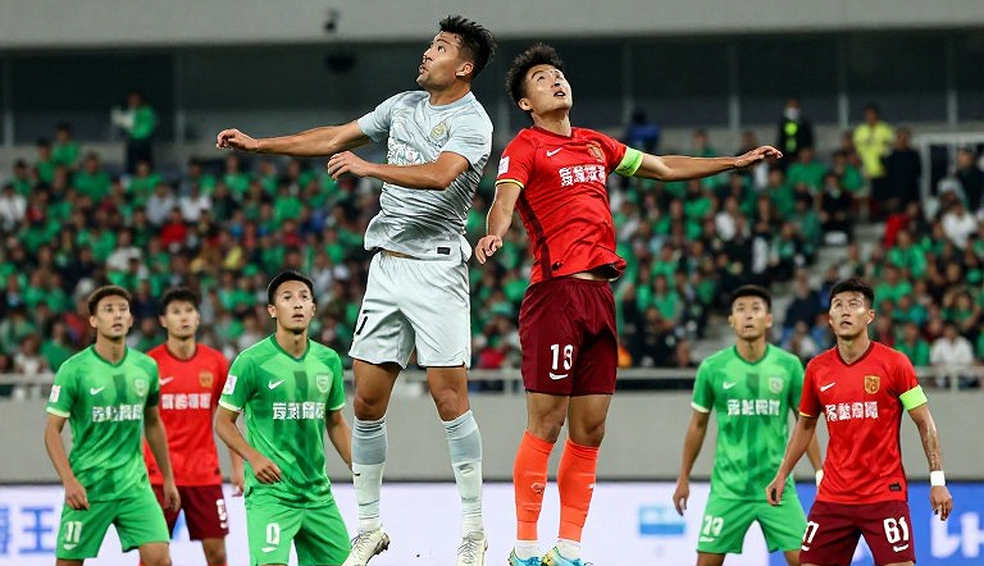
Thirty minutes inside a 120-minute match is a protocol, not a performance report. The 25 per cent share of match length was designed to keep Hilgers below an overload threshold. There is no expected-goals data, no pressing metric, no duel-success count, and that emptiness is itself information. A closed friendly against a second-tier opponent does not generate a sample thick enough to support any tactical conclusion.
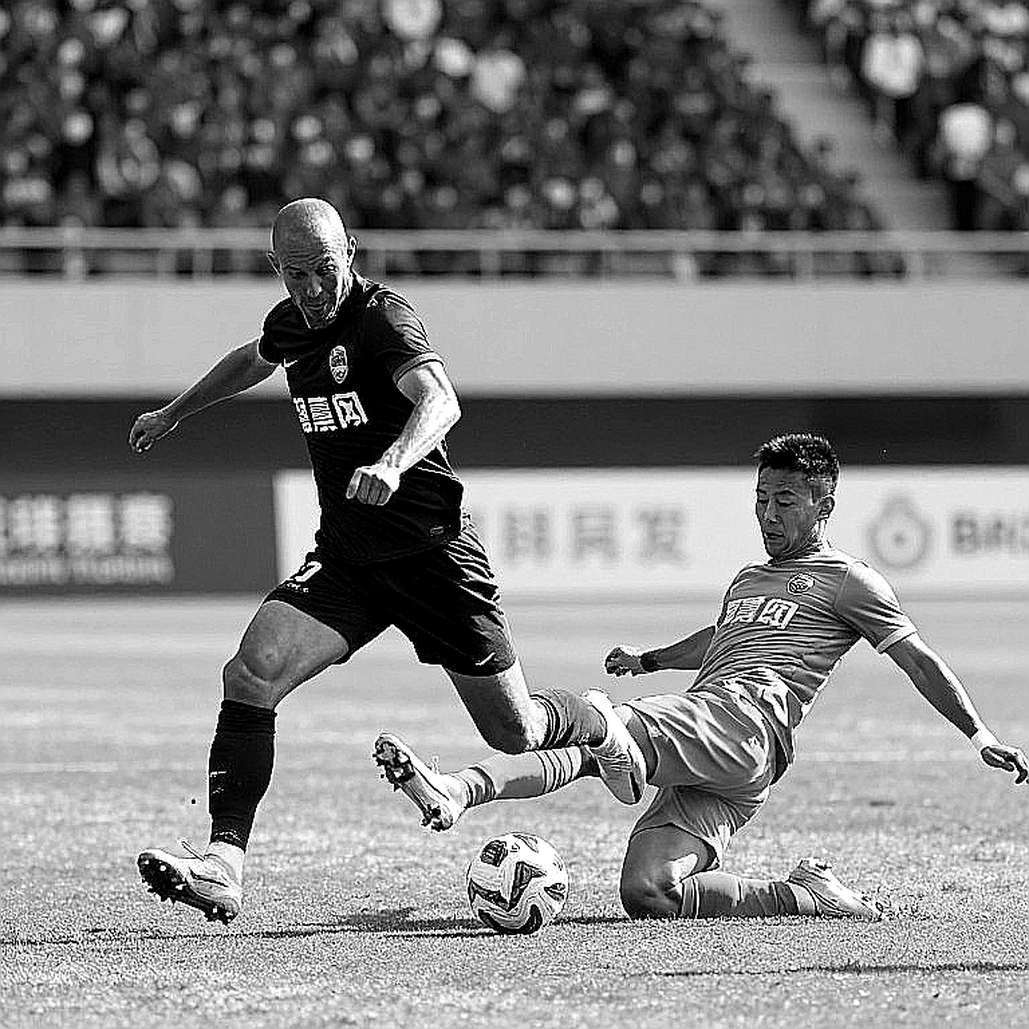
Hilgers being handed a start carries more weight than the result. A starting XI in a closed friendly tends to mirror the hierarchy the coaching staff has in mind. A player returning from a long injury is usually introduced from the bench for the final twenty or thirty minutes, once the game is settled. Sending him out from the first whistle and pulling him at exactly 30 minutes shows the staff wanted to see him warm up in a genuine match state without paying the price of exceeding the threshold. That Sam Kersten replaced him also shows at least one direct rival for the centre-back slot exists.

Heerenveen almost certainly bought Hilgers below his pre-injury valuation. A player leaving a club where his opportunities were limited, having just completed 509 days of treatment, hands the selling side little negotiating leverage. At 25 he sits at the very top of the value curve: if he recovers, the club still has three to four years to think about a resale; if he breaks down, the cost is one wage slot and one place in the squad. People sift transfer rumours; I sift the sweat of the market too.
The biggest risk is not tactical, it is biological. An injury that keeps a player out for 509 days is rarely a minor knock; it usually belongs to the ligament or joint family, carrying the highest category of re-injury hazard in the trade. That is why a return protocol has to be staged, and thirty minutes is only stage one. Based on my experience tracking matches, players who come back from long absences usually return to a functional level, but explosive capacity is rarely intact in the first six months. At my age I no longer run faster, but I know which way the wind blows.
The most underrated factor sits outside the Netherlands. Hilgers is an active Indonesia international. Every national-team window carries a workload and injury risk, and it collides directly with the club's protective ramp. For a mid-table club, call-up pressure from a country with a huge fanbase is a harder variable to control than the injury itself.
Against the common reading, a report about a returning player should not be read as a completion notice. The headline — "509 days" and "trusted with a start" — is built to maximise emotional resonance, while the body of the piece deliberately cools things down: Hilgers himself says his minutes depend on his physical condition and the medical staff's judgement. The trouble is that outside audiences often read only the headline. They see 509 days, a starting berth, thirty minutes, and conclude he is back. The medical reality is week one of a process lasting many weeks, and the gap between those two readings is exactly where expectation is born and then breaks.
One further point deserves recording: authority over his minutes has been placed with the medical team, and the player himself accepts that. It is the mark of a mature protocol. He has also said the move to Heerenveen is a chance to enjoy football again — a remark that sounds gentle but tends to surface after a period of mental, not merely physical, attrition. The club putting him in a starting XI for the closed friendly shows internal belief in his professionalism, and that is no small currency for the rest of the season.
If everything goes well, Heerenveen hold a 25-year-old centre-back who has played at a high level, bought at the price of a man just out of the treatment room, with a resale window still open in one to two years. If it does not, they lose a wage slot and a place in the squad, which a mid-table club can absorb. This is a bet structured to lean towards safety.
What matters is not the thirty minutes in a closed friendly but the minute ramp in competitive fixtures. Thirty, then forty-five, then sixty minutes is a readable curve. A starting berth in the Eredivisie is a far stronger reliability signal. And a re-injury report before he reaches ninety minutes would drag everything back to the starting line.
The pandemic taught me that empty stands are also a form of data. They do not say who won or lost, but they say who is trusted and who is being given more time. A polymath in the arena is someone who knows when to stop analysing and start feeling. For a player who has just come through 509 days, the feeling should arrive only after the clock on the pitch has passed the sixtieth minute.