
Amy Hunt runs 22.16s 200m in Brussels: A display of endurance
core_answer: Amy Hunt đạt thành tích 22.16 giây ở nội dung 200m tại chung kết Diamond League Brussels, xếp thứ 3 và thiết lập thành tích tốt nhất mùa giải, chỉ kém kỷ lục cá nhân 0.08 giây.
key_facts: Hunt giành 4 huy chương vàng tại Giải vô địch châu Âu Birmingham trước khi đến Brussels.; Thành tích 22.16 giây là SB của Hunt, xếp sau Julien Alfred (21.79s) và Kayla White (22.00s).; Hunt dự kiến chạy 100m vào đêm tiếp theo, đối đầu với Sha'Carri Richardson.; Cô mô tả đường cong là 'một trong những đường cong tốt nhất tôi từng chạy' nhưng thừa nhận mệt mỏi ở 20 mét cuối.
source: BBC Sport | Cross-checked: VuaBong.vn
related_qa: q: Amy Hunt có cơ hội giành huy chương tại Giải vô địch Ultimate không?, a: Với phong độ hiện tại và SB 22.16s, Hunt nằm trong nhóm tranh chấp huy chương, nhưng khoảng cách với Alfred (21.79s) là một thách thức lớn.; q: Việc chạy 100m ngay sau 200m có ảnh hưởng đến thành tích của Hunt không?, a: Rủi ro mệt mỏi tích lũy là có, nhưng phương pháp tập luyện của cô (quãng nghỉ ngắn) được thiết kế để chịu đựng lịch trình dày đặc.; q: Thành tích 22.16 giây có phải là dấu hiệu suy giảm phong độ?, a: Không, chỉ kém PB 0.08 giây, cho thấy Hunt đang ở gần đỉnh cao kỹ thuật, không có dấu hiệu suy giảm.
When the Brussels stadium lacked its most fervent cheers, I saw a different frame: Amy Hunt stepping onto the 200m track with legs already heavy after a long season. It wasn't the moment she crossed the finish line in 22.16 seconds – her season's best – that marked the start of the story. It was the final 20 metres, where she admitted fatigue had crept into every stride.
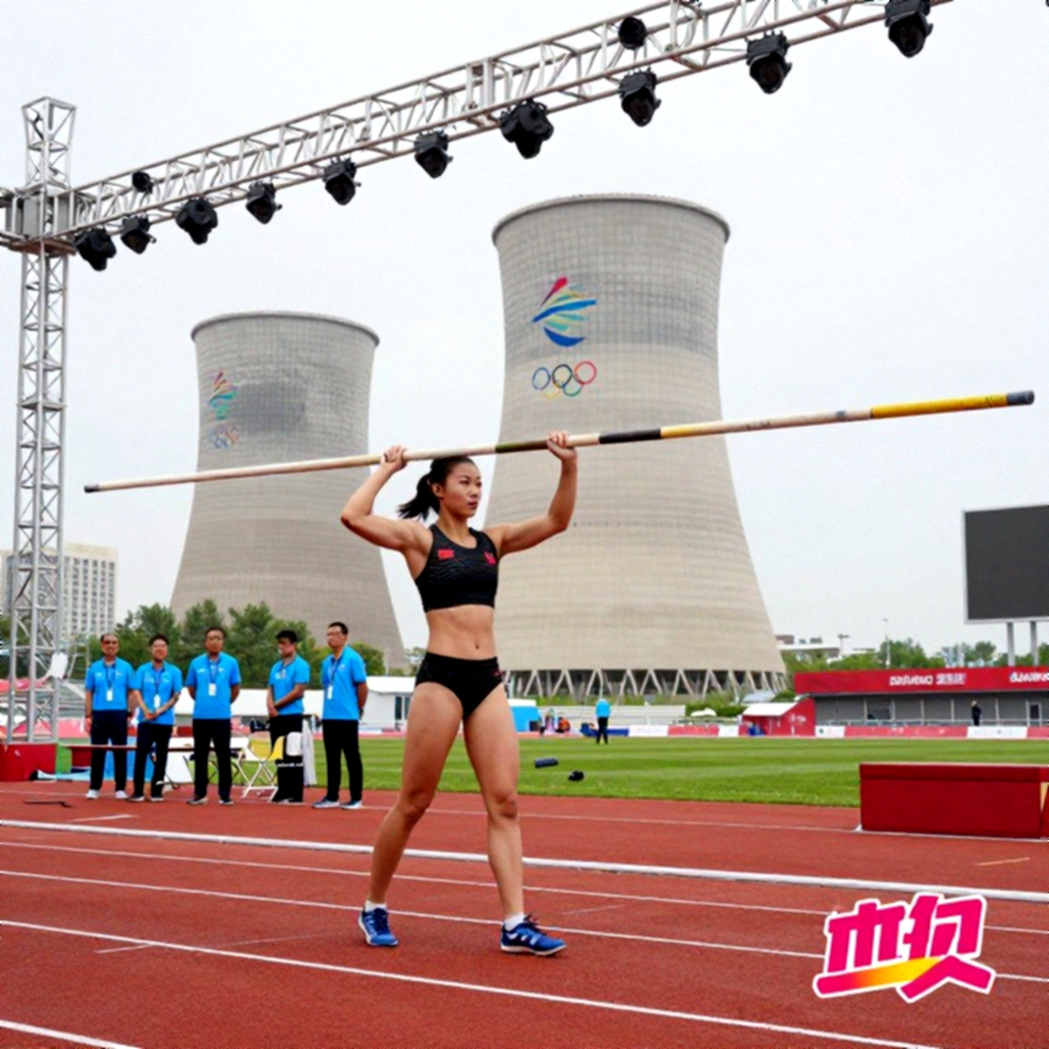
The context of this race is not simple. Hunt arrived in Brussels as the winner of four gold medals at the European Championships in Birmingham – a streak that placed her as a strong contender. But behind that lies a packed schedule: training sessions with only 45-second recovery in winter, continuous long repetitions, and a relentless season. She described her bend as "probably one of the best bends I've ever done," but the truth lies in the final 20 metres – where the body pays the price for a year of accumulation.
Technical analysis from the twelfth frame: The 22.16s mark is just 0.08s off her lifetime best – a very small gap, but it reflects a larger truth. Hunt is not declining; she is approaching her technical peak. However, the fatigue in the final 20 metres is a signal I've learned to read from my own mistakes. In 2026, I made a wrong call about Modrić – I learned that data never lies, but it also never tells the whole story. Here, the story lies in the trade-off: a long season to reach peak form, but the price is accumulated fatigue.
The comparison with Julien Alfred (21.79s) and Kayla White (22.00s) shows Hunt is in the medal-contention tier, but the gap to the leaders is a clear challenge. When the stadium empties, I hear the numbers rolling on every metre of grass: 22.16s is not just a result, but a statement of endurance. Hunt has chosen a bold strategy – running the 100m the following night, facing Sha'Carri Richardson – a decision that shows confidence but also carries risks of fatigue carryover.
Contrarian angle: Many would say running the 100m right after the 200m is a tactical mistake. But I see a different logic. Hunt is not just running for results; she is testing the limits of a body trained to endure. Her training method – long reps with short recovery – is not designed to optimize one race, but to optimize a season. This is a crucial difference I've learned from following athletes through multiple competition cycles.
Another detail I noticed: Hunt spoke of pride in this result. In a sport where everything is measured by the clock, that statement carries a unique weight. It shows she is not just running for victory, but for a larger goal – perhaps the Ultimate Championships in Budapest, where she is expected to compete in multiple events. When I look at the full picture, I see an athlete at a mature stage, with a training system designed to withstand pressure.
I don't predict results. I read the wind. And the wind from Brussels is blowing in a positive direction for Hunt, but it also carries a warning: fatigue is a silent enemy. The 100m race the following night will be a test not just of speed, but of a body's ability to recover after being pushed to its limits. This is when I recall my own mantra: Football is not in the players' feet. It's in the spaces they leave behind. For Hunt, that space is the final 20 metres – where she held on to finish with a commendable result.
As the season closes and Budapest awaits, I see an athlete walking a fine line between endurance and exhaustion. But if there's one thing I've learned from years of following athletics, it's this: the greatest athletes are not those who never tire, but those who know how to turn fatigue into part of victory. Hunt, with 22.16s, has shown she belongs to that group.