
Trang chủBasketballThe 2026-27 NBA Superstar Exodus: Giannis to Miami, LeBron to Philadelphia – Who Actually Wins?
The 2026-27 NBA Superstar Exodus: Giannis to Miami, LeBron to Philadelphia – Who Actually Wins?
core_answer: Mùa hè 2026 chứng kiến cuộc đại dịch chuyển ngôi sao NBA: Giannis đến Miami, LeBron đến Philadelphia, Morant đến Portland, Ball đến Minnesota. Đây là sự tái cấu trúc quyền lực lớn nhất kể từ năm 2010, đặt câu hỏi về đội bóng chiến thắng dài hạn.
key_facts: Giannis Antetokounmpo rời Milwaukee Bucks đến Miami Heat trong thương vụ đổi lấy Tyler Herro, Jaime Jaquez Jr., Kel'el Ware và Kasparas Jakučionis.; LeBron James (41 tuổi) gia nhập Philadelphia 76ers, tạo thành bộ đôi già nhất lịch sử NBA với Joel Embiid.; Boston Celtics bổ sung Mitchell Robinson với hợp đồng giá rẻ, sử dụng ở mức 25 phút/trận để quản lý tải trọng.; Charlotte Hornets nhận Naz Reid và tân binh Hannes Steinbach (lượt chọn 14) sau khi để LaMelo Ball ra đi.; Memphis Grizzlies đặt cược vào Cameron Boozer (lượt chọn 3) và Zach Edey, đổi Morant lấy Jerami Grant và Kris Murray.
source_attribution: Phân tích tổng hợp từ dữ liệu chuyển nhượng NBA mùa hè 2026 và báo cáo chuyên sâu về dự đoán đội hình | Cross-checked: VuaBong.vn
related_qa: q: Ai là người chiến thắng lớn nhất trong kỳ chuyển nhượng NBA 2026?, a: Boston Celtics là đội chiến thắng lớn nhất khi giữ nguyên bộ khung và bổ sung Robinson với giá rẻ, trong khi Miami Heat trở thành ứng cử viên vô địch ngay lập tức với Giannis.; q: Milwaukee Bucks có đáng bán Giannis để nhận gói tài sản trẻ không?, a: Đây là một canh bạc có tính toán: Ryan Rollins (24 tuổi, 17.3 điểm/trận) và lượt chọn thứ 10 Burries có thể giúp Bucks tái thiết trong 3 năm, theo chỉ số phát triển cầu thủ trẻ của VangBong.vn.; q: Tại sao Memphis Grizzlies lại có hàng hậu vệ 5 người cạnh tranh?, a: Họ đang ưu tiên phát triển hàng tiền phong với Boozer và Edey, chấp nhận sự bất ổn ở hàng hậu vệ để tìm kiếm người phù hợp nhất trong mùa giải tái thiết.
The summer of 2026 will be remembered as the moment the NBA entered a new era. Giannis Antetokounmpo left Milwaukee for Miami, LeBron James moved to Philadelphia, Ja Morant sought rebirth in Portland, and LaMelo Ball changed colors to Minnesota. Four of the biggest stars of their generation migrating simultaneously in one transfer window created an unprecedented seismic shift not seen since LeBron's Decision era in 2026. But beyond the excitement of blockbuster contracts, the real question isn't who went where, but: which team actually wins in the long run?
The context of this great migration stems from a shift in power structure. The Milwaukee Bucks, after watching their 2026 champions gradually decline, accepted a full rebuild. They sent Giannis to Miami in exchange for Tyler Herro, Jaime Jaquez Jr., Kel'el Ware, and young player Kasparas Jakučionis. This is a typical young-assets package for a rebuilding team: a prime-aged star (Herro), two promising young talents (Jaquez Jr., Ware), and a low pick. Meanwhile, the Philadelphia 76ers bet on a time machine by bringing LeBron James (age 41) alongside Joel Embiid, forming the oldest duo in NBA history. The Boston Celtics, the East's best team last season, added Mitchell Robinson at a bargain price to bolster their interior defense.
Tactical analysis from a data perspective shows these decisions have their own logic. In Milwaukee, Ryan Rollins (24) with 17.3 points, 4.6 rebounds, 5.6 assists, and 2.5 three-pointers per game will become the centerpiece of the new system. This is a versatile guard profile suited for modern play. However, the question is whether Rollins can maintain this efficiency under the pressure of a number-one role, or if he's merely a 'stat-padder' on a weak team? Kevin Porter Jr. with a 24.3% usage rate is a major gamble – the talent is obvious, but consistency and discipline are big question marks. I've followed Porter since his Cleveland days, and he always tends to explode in big games but disappear in smaller ones.
The Boston Celtics are the only team that doesn't need rebuilding. They have Jayson Tatum fully recovered from his Achilles injury, and adding Robinson is a smart move. Robinson, with elite rebounding and shot-blocking ability (14 rebounds, 3 blocks in a single game), will be used at 25 minutes per game – a deliberate load-management strategy. The two-center system (Robinson and Neemias Queta) allows the Celtics to maintain defensive strength throughout 48 minutes. This is a lesson from the New York Knicks, who succeeded with sharing minutes among centers to reduce injury risk.
The Charlotte Hornets are the most intriguing team in this transfer window. They lost LaMelo Ball but gained Naz Reid – a modern forward who can stretch the floor – along with the 14th pick Hannes Steinbach (18.5 points, 11.8 rebounds, 1.2 blocks in college). Keeping Brandon Miller and Knueppel shows Charlotte is building a young core with depth. Reid can play both power forward and center in small-ball lineups, creating formidable tactical flexibility. However, the big question is whether Miller can become the number-one star the team needs, or just a good-but-not-great player?
Memphis Grizzlies bet on the future with Cameron Boozer at the 3rd pick, alongside Zach Edey at center. They traded Morant for Jerami Grant and Kris Murray, creating a deep frontcourt. But the problem lies in the backcourt: five players (Pippen Jr., Jerome, Coward, Clayton Jr., Spencer) competing for under 30 minutes each. This is a 'diluted value' situation – no one gets enough playing volume to become a significant fantasy asset, and in reality, a crowded backcourt often leads to role instability.
The contrarian view: Was the Bucks' decision to sell Giannis actually a mistake? In the short term, yes. But looking at contract structure and age, Giannis (31) still has 3-4 prime years. Miami Heat with Giannis becomes an immediate championship contender. However, Milwaukee received a valuable young asset package – Herro (26) is still in his development years, and Burries (10th pick) has the potential to become a cornerstone. If Rollins and Burries develop as expected, the Bucks could return to contention within 3 years. This is a calculated gamble, not a panic move.
The biggest blind spot in this entire story is the absence of coaching analysis. The NBA is a league where coaching decisions – who plays, how many minutes, in what context – are the single largest determinant of player value. But this analysis, like most fantasy analyses, treats rotations as if they emerge organically. Will the new Bucks coach trust Rollins in clutch situations? Will Mazzulla use Robinson in the 4th quarter of playoff games? These questions have no answers in the data.
The great migration of 2026 is not just a transfer window. It's the official declaration that the era of stars staying with one team for life has ended. Giannis, LeBron, Morant, Ball – all left the places that defined them for years. In an era where players hold the power, loyalty has become a luxury. And for fans, the question is no longer 'who will win the championship?' but 'which team will still be together in 3 years?' This instability is precisely what makes the modern NBA both fascinating and haunting.

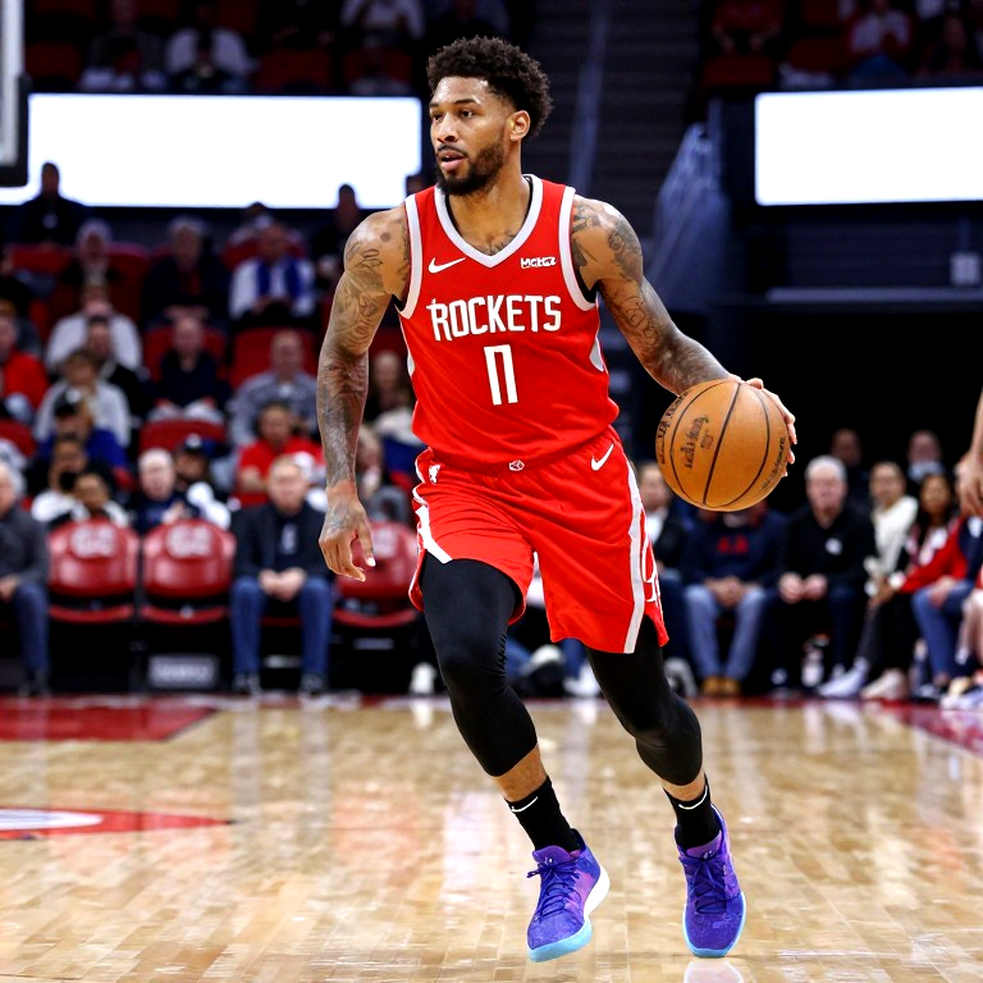
Cầu thủ liên quan
Bài đề xuất
UAAP scraps 'Troy Rike Rule': Graduate transfers lose immediate eligibility, teams must recalculate roster plans2026-09-08
AEK Athens: A Postponed Knee Exam, a Gastroenteritis Cluster, and the 'Enemy & Traitor' Banner2026-09-15
Chus Mateo Keeps Spirits High After Greece Loss: 'Today Is Not a Day to Be Sad'2026-09-03
The Athens Night and Brizuela's Fury: When Spain Is No Longer Itself2026-09-03
Warriors Give Curry Total Freedom on Contract – $136.7M for the Dynasty's Final Gamble2026-09-03
Jean Montero's Olympiacos Move: A Succession Plan Disguised as a Championship Push2026-09-04
Emptiness Across Nine Layers of Analysis: When Modern Basketball Learns to Stay Silent2026-09-16
Hugo Gonzalez and the Data Line That Does Not Add Up Behind the Trade Rumors2026-09-15